How to Protect Life Below Water? What Happens If We Don’t Protect?
Our oceans cover more than 70 percent of Earth’s surface. They hold about 97 percent of all the water we have on this planet.
Oceans provide food, jobs, and oxygen for billions of people. But let’s be real—marine ecosystems are in trouble from pollution, overfishing, and climate change.
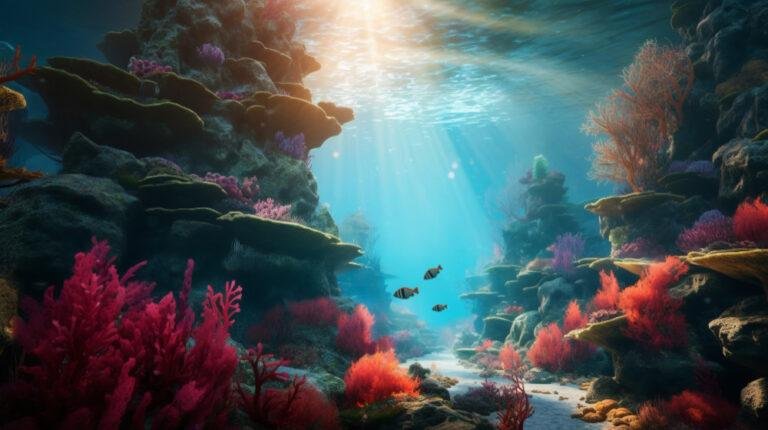
Protecting life below water means cutting pollution, setting up marine protected areas, and fishing in smarter, more sustainable ways. If we ignore these steps, fish populations will keep dropping and coral reefs could vanish.
That’s not just bad news for sea creatures—it hits the people and communities who rely on healthy oceans, too.
The upside? Technology and ocean conservation are opening up fresh ways to protect marine life. People, governments, and organizations are teaming up to save our oceans.
Even small tweaks to our daily habits can make a surprising difference for marine ecosystems. Maybe it sounds cliché, but it’s true.
What You’ll Learn?
- Marine ecosystems are getting hammered by pollution, overfishing, and climate change—action’s needed, pronto.
- Protecting oceans through sustainable practices helps both sea life and people everywhere.
- Tech and individual choices can actually help preserve the oceans for the long haul.
Why Protecting Life Below Water Is Crucial
Oceans cover over 70% of Earth and keep life running, whether we realize it or not. They generate oxygen, regulate climate, support jobs, and hold an insane amount of biodiversity.
The Role of Oceans in Planetary Health
Oceans crank out more than half the world’s oxygen, thanks to marine plants and algae. These tiny guys turn carbon dioxide into oxygen through photosynthesis.
Without healthy marine ecosystems, we’d all be gasping for air. Not a great scenario.
The ocean also soaks up about 30% of carbon dioxide from the air. That helps slow down climate change by pulling greenhouse gases out of circulation.
Marine waters stash this carbon deep for centuries. That’s a massive service most people never think about.
Ocean currents keep the planet’s temperature in check by moving warm and cold water around. This system shapes weather patterns and keeps things from getting too wild, temperature-wise.
Climate change mitigation depends on protecting these ocean systems.
The water cycle? It all starts with ocean evaporation. Water vapor rises, makes clouds, and eventually brings rain to land.
No oceans, no fresh water for most of the world. That’s just how it works.
Economic and Social Importance
More than 3 billion people count on fish as their main protein source. Coastal communities depend on fishing for food and income.
If fish populations crash, these communities face hunger and poverty. It’s a tough reality.
The fishing industry gives direct jobs to over 120 million people. Millions more work in boat building, fish processing, and seafood transport.
Secure access to water resources for fisheries creates stable employment.
Ocean tourism is a huge deal, too—over $52 billion a year. People love scuba diving, snorkeling, lounging on beaches, whale watching, and sport fishing.
- Scuba diving and snorkeling
- Beach vacations
- Whale watching tours
- Sport fishing trips
Shipping companies use ocean routes to move 90% of global trade. That’s food, clothes, electronics, you name it.
Without safe ocean passages, international trade would basically grind to a halt.
Marine Biodiversity and Ecosystem Services
Oceans are home to over 230,000 known species, and scientists keep finding about 2,000 new ones every year. From tiny plankton to massive whales, it’s a wild mix.
Marine food chains start small—with algae and plankton. Small fish eat them, bigger fish eat the small fish, and so on up the line.
Coral reefs act as natural shields, protecting coastlines from storms and erosion. They can cut wave energy by up to 97%—pretty impressive.
Healthy reefs save billions in coastal protection costs. They’re more valuable than most people realize.
Many sea creatures produce chemicals that end up in medicines. Cancer treatments, antibiotics, pain meds—lots of them come from the ocean.
Algae play a fundamental role in purifying the air we breathe.
Wetlands and mangroves filter out pollutants before water hits the ocean. They’re also nurseries for young fish, giving them a safe place to grow up.
Consequences of Failing to Protect Life Below Water
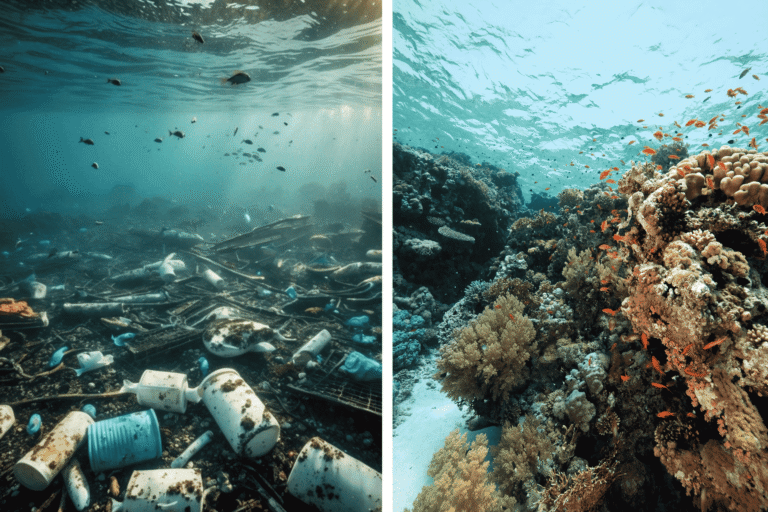
When marine ecosystems fall apart, the effects ripple everywhere. Food systems, economies, even the climate—nothing’s untouched.
Ocean degradation threatens billions of people who depend on marine resources for survival and work.
Impacts on Food Security and Nutrition
Overfishing and shrinking fish stocks are a direct threat to global food security. Marine life is the main protein source for over 3 billion people.
Fish consumption has shot up four-fold in the last 50 years, putting crazy pressure on already stressed fisheries.
Overfish stocks have more than tripled in half a century. That’s a recipe for disaster if nothing changes.
Key impacts include:
- Less protein for coastal communities
- Seafood prices go up, hitting low-income families hardest
- Nutritional gaps in places that rely on fish
- Food insecurity in small island states
If fish stocks collapse, people lose their main protein source. They either switch to less nutritious foods or go hungry.
Unsustainable fishing wipes out breeding grounds and nurseries. Young fish don’t get a chance to grow up, which means populations crash even faster.
Loss of Livelihoods and Employment
Marine industries support hundreds of millions of jobs worldwide. Fisheries alone employ over 200 million people, directly and indirectly.
When fish disappear, coastal communities face unemployment. Tourism takes a hit, too, when coral reefs bleach and marine life vanishes.
Employment sectors at risk:
- Commercial and small-scale fishing
- Fish processing and distribution
- Marine tourism and recreation
- Coastal hospitality
Small island developing states face particular challenges since they lean heavily on marine resources. Most don’t have many backup options for jobs.
Women in fishing communities often process and sell seafood. When catches drop, their incomes shrink, which hurts entire families and local economies.
Accelerated Climate Change
Oceans absorb about a quarter of human-made carbon dioxide, keeping climate change in check. If marine ecosystems fail, that service gets weaker.
Ocean acidification has jumped 30-40% since pre-industrial times. Damaged oceans can’t suck up CO2 as well, so global warming speeds up.
Coastal ecosystems like mangroves and salt marshes are carbon storage champs. They hold 50% of the carbon in ocean sediments—even though they cover just 2% of the ocean area.
When these areas die, stored carbon escapes back into the atmosphere. That creates a nasty feedback loop, making climate change worse.
Rising sea temperatures kill coral reefs and mess with ocean currents. Weather patterns get weird, with more extreme storms and droughts.
Threats to Public Health
Polluted oceans put human health at risk. Contaminated seafood can carry toxins that build up in our bodies.
At least 14 million tons of plastic hit oceans every year. Microplastics are now in seafood, drinking water, and even our bloodstreams. Yikes.
Health risks include:
- Food poisoning from bad fish
- Exposure to heavy metals and chemicals
- Breathing issues from dirty coastal air
- Waterborne diseases in coastal areas
Dead zones—places with zero oxygen—are popping up from pollution. There are over 500 dead zones worldwide, covering a whopping 245,000 square kilometers.
Harmful algae blooms release toxins that make seafood dangerous. People living near polluted coasts face higher rates of cancer and neurological problems. Not exactly the postcard version of the beach.
Major Threats Facing Life Below Water
Marine ecosystems are getting slammed by human activity. Ocean acidification is up 30-40% since the pre-industrial era, and plastic waste and overfishing are only making things worse for marine life.
Overfishing and Unsustainable Fishing Practices
Global fish consumption has exploded in the last fifty years. Fish and seafood consumption is four times what it was 50 years ago, piling pressure on marine ecosystems everywhere.
Overfish stocks have more than tripled in half a century. That’s put about a third of sharks, rays, and chimaeras on the edge of extinction.
Illegal, unreported, and unregulated (IUU) fishing just adds fuel to the fire. These shady practices take out 11-26 million tonnes of fish each year, costing $10-23 billion in lost revenue.
Key impacts of overfishing include:
- Broken marine food chains
- Fish populations collapsing
- Species facing extinction
- Fishing communities losing money and jobs
Fishing subsidies don’t help—they actually support a global fishing fleet that’s way too big. Right now, the fleet is up to 2.5 times larger than what’s sustainable. That’s just not going to work long-term.
Pollution and Plastic Waste
Marine pollution is honestly one of the most obvious threats to ocean life. At least 14 million tons of plastic end up in oceans every year, and production just keeps climbing.
Right now, somewhere between 86 and 150 million metric tonnes of plastic have already built up in the oceans. Plastic production is expected to double by 2040, and plastic pollution could actually triple by then.
The Great Pacific Garbage Patch shows just how out of hand things have gotten:
- Covers 1.6 million square kilometers
- Contains about 100,000 tonnes of waste
- Weighs more than 740 Boeing 777s
Microplastics are another sneaky problem for marine creatures. These little bits get into the food chain and can pile up in bigger animals—including fish that people eat.
Nutrient pollution from farms and cities is a different kind of threat. Too much nitrogen and phosphorus leads to “dead zones” with almost no oxygen, where hardly anything can survive.
Climate Change Effects on Marine Environments
Rising temperatures and changing ocean chemistry mess with marine ecosystems in all sorts of ways. Oceans actually soak up nearly a quarter of the carbon dioxide humans produce, which is helpful for the atmosphere, but bad news for marine life.
Ocean acidification is getting worse as CO2 levels climb. When carbon dioxide mixes with seawater, it lowers the pH and makes the water more acidic. That’s tough on shell-building creatures and throws off whole food webs.
Coral reefs are especially at risk from climate change. The world has lost around 14% of coral reefs between 2008 and 2019, which adds up to about 11,700 square kilometers of lost coral habitat.
Climate change is hitting marine life in a bunch of ways:
- Coral bleaching events
- Species shifting where they live
- Rising sea levels
- Stronger storms
Sea level has gone up 8-9 inches since 1880. As water warms, a lot of marine species head for cooler spots, which messes with ecosystems and fishing industries.
Warming oceans change oxygen levels and how water circulates. This can mean new dead zones and shifting nutrients, which really shakes up marine food chains.
Global Efforts and Commitments
Countries everywhere have made promises to protect ocean life through global agreements and awareness pushes. One of the biggest commitments is Sustainable Development Goal 14, which sets some pretty clear targets for ocean protection by 2030.
Sustainable Development Goal 14: Life Below Water
The United Nations set up SDG 14 to conserve and sustainably use oceans, seas, and marine resources. This goal is all about protecting the planet’s biggest ecosystem before it’s too late.
Key SDG 14 Targets:
- Cut marine pollution by 2025
- Protect 10% of coastal and marine areas by 2020
- Stop overfishing and illegal fishing
- Limit the effects of ocean acidification
There’s a push to protect 30% of the world’s oceans by 2030. That would be a huge jump from where we are now.
Lots of countries are working on restoring carbon sinks in the ocean. They’re also creating marine protected areas to let fish stocks bounce back.
This goal is tied straight to human survival. Fish and seafood feed billions of people around the planet.
World Oceans Day and International Campaigns
Every June 8th, World Oceans Day rolls around to get people thinking about ocean protection. The United Nations uses the day to spotlight threats and possible fixes.
Each year comes with a different theme. Lately, it’s been about plastic pollution, the blue economy, and ocean conservation.
Big international campaigns work alongside research projects. The Census of Marine Life Project and UN Decade of Ocean Science are helping scientists get a better grip on what’s happening under the waves.
Main Campaign Goals:
- Cut down on single-use plastics
- Promote sustainable fishing
- Create more marine protected areas
- Fight climate change’s impact on oceans
These campaigns reach millions through social media and events. Schools, governments, and businesses all get involved with cleanups and education programs.
They’re also helping close the gap between richer and poorer countries when it comes to protecting the oceans.
Effective Ways to Protect Life Below Water
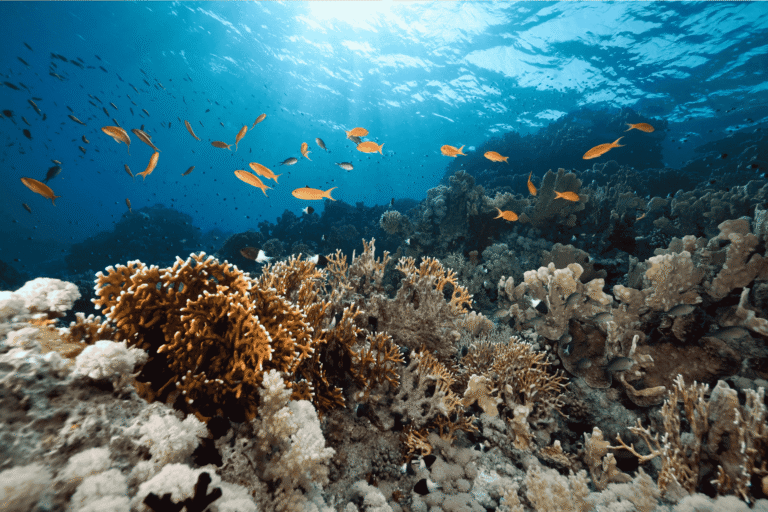
Protecting the oceans means acting now—think sustainable fishing and cutting down plastic waste. These are the big-ticket items when it comes to saving marine ecosystems.
Supporting Sustainable Fishing Practices
Science-based fishing quotas are a huge part of restoring fish populations. Overfishing has put a third of sharks, rays, and chimaeras at risk, so these limits really matter.
Marine protected areas give fish safe places to breed and grow. Right now, only 8.2% of ocean waters are protected, and just 2.9% are strongly protected.
Everyday folks can pick seafood from sustainable sources. Look for certifications—they’re not perfect, but they help.
Some smart fishing practices:
- Selective gear to avoid bycatch
- Seasonal fishing limits
- Backing local fishers using traditional methods
- Stopping illegal, unreported, and unregulated fishing
Illegal fishing wipes out 11-26 million tonnes of fish every year. Tougher enforcement helps honest fishers and keeps stocks healthy.
Reducing Plastic Consumption and Pollution
Getting rid of single-use plastics is probably the most direct way to help ocean health. At least 14 million tons of plastic hit the oceans every year, mostly from land.
Beach clean-ups pull out trash before it breaks into microplastics. Those tiny bits are a nightmare for marine animals.
Ways to cut plastic waste:
- Use reusable bags, bottles, and containers
- Pick stuff with less packaging
- Join local beach clean-ups
- Support companies that ditch single-use plastics
Microplastics are a real hazard—animals often eat them by mistake. Plastic pollution could triple by 2040, and ocean plastic might be four times worse by 2050.
Just throwing things away properly actually helps. Even people far from the sea can affect it through rivers and streams.
Protecting Coral Reefs and Sensitive Habitats
Coral reefs need hands-on restoration and protection from acidification to survive. Keeping these ecosystems healthy means saving a ton of marine species—and even coastlines.
Restoring and Conserving Coral Reefs
Marine Protected Areas still cover less than one percent of the world’s coral reef habitat. Most reefs don’t have legal protection from fishing, pollution, or coastal development.
Scientists are trying a few different methods to bring damaged coral reefs back to life:
- Coral gardening: Growing coral fragments in nurseries, then planting them on damaged reefs
- Artificial reefs: Building structures that give corals a place to grow
- Coral breeding: Raising coral babies in labs and releasing them onto reefs
Conservation plus protection has saved some big reef areas. These safe spots let fish populations recover and spill over into nearby waters.
Coral reefs are natural barriers that protect coasts from storms and waves. Without them, coastal towns lose a big line of defense against floods and erosion.
Addressing Ocean Acidification
Ocean acidification happens as seawater absorbs more carbon dioxide. The extra acid eats away at coral skeletons and stops new ones from forming.
Corals really struggle to build their structures in acidic water. Young corals are hit hardest since their skeletons are still growing.
What acidification does:
- Slows coral growth
- Makes skeletons weaker
- Makes recovery from damage harder
- Reduces reef-building
Cutting carbon emissions is the main way to fight acidification. Countries need to use less fossil fuel and switch to cleaner energy sources.
Some scientists are testing things like adding minerals to seawater to lower acidity near reefs. These ideas might help locally, but honestly, they need a lot more testing.
How Individuals and Communities Can Make a Difference
People can make a real impact—whether it’s choosing sustainable seafood, joining conservation projects, or just speaking up for the oceans. Every little bit helps keep underwater worlds alive for the next generation.
Responsible Seafood Choices
It’s actually not that hard to help protect ocean life—just start by picking sustainable seafood. The Marine Stewardship Council and Aquaculture Stewardship Council both certify fish and shellfish that are caught or farmed in a responsible way.
Key sustainable seafood practices include:
- Buying certified sustainable fish from approved fisheries
- Steering clear of overfished species like bluefin tuna and Atlantic cod
- Going for locally caught fish if you can
- Supporting restaurants that serve sustainable seafood
Before you shop, it’s smart to check seafood guides from environmental groups. These guides break down which fish are okay to eat and which you should probably skip.
Even small tweaks in how you buy seafood can add up. When enough people ask for sustainable seafood, stores and restaurants usually get the message and start offering better options.
Participation in Conservation Activities
Communities can step up and help marine life by getting involved in hands-on conservation. Beach clean-ups, for example, get rid of plastic waste that hurts sea animals and messes up the water.
Popular conservation activities include:
- Organizing neighborhood beach clean-ups
- Joining citizen science projects to track marine life
- Volunteering with marine sanctuaries
- Diving into coral reef restoration projects
Lots of groups offer training if you’re interested in volunteering. Local aquariums and environmental organizations usually run these programs—and honestly, it’s a pretty good way to meet like-minded folks.
Blue Communities have adopted principles to protect water resources in their areas.
Raising Awareness and Advocacy
Education and advocacy are key if we want to see real change for ocean protection. Sharing info about marine conservation with friends or family is a good place to start.
Effective advocacy methods include:
- Writing to elected officials about ocean protection laws
- Sharing marine conservation content on social media
- Teaching kids about ocean ecosystems
- Supporting organizations that protect marine life
Storytelling can promote positive attitudes toward marine animals among students and community members. Sometimes just telling a personal story about the ocean is enough to inspire someone else to care.
Communities can host educational events about sustainable fishing practices. These events show people how everyday choices impact ocean health.
Local advocacy really matters when communities pull together. Groups protecting specific areas seem to get better results than big, broad campaigns—maybe because it just feels more personal.
Frequently Asked Questions
You can reduce plastic use, avoid products with microbeads, support eco-friendly brands, and spread awareness online. Even small choices—like proper waste disposal—help prevent ocean pollution.
MPAs are ocean zones where fishing and pollution are restricted. They let marine species recover, rebuild fish stocks, and protect coral reefs—supporting both biodiversity and local economies.
Single-use plastics (bags, straws, bottles), chemical sunscreens, and synthetic clothes that shed microfibers are major threats. Switching to reusable or reef-safe alternatives makes a big difference.
Polluted oceans contaminate seafood, cause health problems like mercury poisoning, and contribute to climate change, which affects food, weather, and coastal safety worldwide.
Nations like Costa Rica, Norway, Australia, and Seychelles have strong marine protection laws and large MPAs. Their models show that conservation and sustainable use can go hand in hand.
Tech innovations like satellite tracking for illegal fishing, AI-powered pollution monitoring, and coral-restoration robotics make conservation faster, smarter, and more effective.

Sea Otters Keystone Species: The Unexpected Link Shaping Ocean Life
Small, furry creatures floating on their backs—yeah, sea otters look adorable. But don’t let their cuteness fool you. Sea otters have an environmental impact that’s way bigger than you’d guess from their size.These marine mammals shape entire ocean ecosystems just by eating. Their daily routines make them one of nature’s most important species, even if they...
How to Protect Forests from Deforestation: Want to Save the Planet?
Forests are under real threat. Millions of acres vanish every year—mostly because of expanding farms, logging, and cities pushing further out.This loss speeds up climate change, wipes out wildlife homes, and puts at risk the billions who rely on forests for food and income. Protecting forests from deforestation takes more than just laws—it needs community action, smart land management and...
Recent Articles
-
 How Do I Find SEO Keywords for My Website? (2025 Guide)
 -
15 SEO Mistakes Beginners Always Make: Avoid Costly Errors Now
-
Best SEO Analytics Tools for Beginners: Top Picks & Success Tips
-
Best Web Hosting in USA 2025: Top 6 Providers Ranked & Compared
-
How Does My Website Rank on Google? These Factors Decide Your Position