
Sea Otters Keystone Species: The Unexpected Link Shaping Ocean Life
Small, furry creatures floating on their backs—yeah, sea otters look adorable. But don’t let their cuteness fool you. Sea otters have an environmental impact that’s way bigger than you’d guess from their size.
These marine mammals shape entire ocean ecosystems just by eating. Their daily routines make them one of nature’s most important species, even if they seem unassuming at first glance.
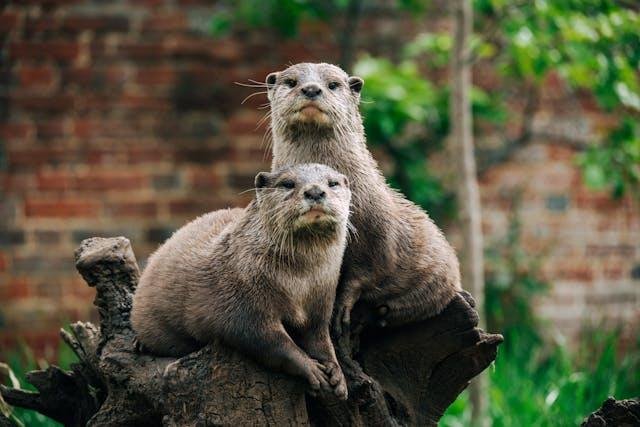
Sea otters are keystone species because they have an effect on their environment disproportionate to their abundance. Just a handful of otters can spark huge changes in marine ecosystems.
Their appetite for sea urchins is legendary; it keeps those spiky grazers from wiping out kelp forests. And kelp forests? Tons of other species rely on them to survive.
Marine ecosystems are all tangled up together, and sea otters are smack in the middle. When otter numbers go up or down, the effects ripple out—tiny fish, big mammals, everything feels it.
It’s wild to think that protecting otters is like protecting a whole underwater world.
What You’ll Learn?
- Sea otters keep sea urchin populations in check, saving kelp forests that tons of marine life depend on
- They’re tool users—think rocks for cracking shells—and their hunting keeps ocean ecosystems balanced
- Protecting otters ends up protecting hundreds of other species, thanks to their keystone role
What Makes Sea Otters a Keystone Species
Sea otters hold their keystone status because they control entire marine ecosystems—even though their numbers are small. Their eating habits set off chain reactions that keep kelp forests healthy and help all sorts of other species.
Definition and Role of Keystone Species
Keystone species are those rare organisms that have a huge impact on their environment compared to how many there are. Their roles are way bigger than the size of their population would suggest.
If a keystone species disappears, the whole ecosystem can fall apart. Their presence holds the habitat together in ways that benefit a ton of other creatures.
Key characteristics of keystone species:
- Small numbers, big impact
- They keep other species in balance
- Crucial for biodiversity
- Ecosystem falls apart if they’re gone
In the ocean, keystone species like sea otters regulate other populations and keep marine communities diverse. They’re basically the top predators that keep things from getting out of hand.
Sea Otters' Disproportionate Impact on Ecosystems
Sea otters act as keystone species by being top predators in nearshore marine ecosystems. They love sea urchins the most when they’re around.
Otters are clever hunters, using rocks to smash open the shells of urchins, crabs, and mollusks. That’s some serious skill for a furry swimmer.
They eat up to 25% of their body weight every day. That’s a lot of sea urchins, and it keeps those populations from getting out of control and wrecking the kelp.
What sea otters do for the ecosystem:
- Keep purple sea urchins under control
- Help kelp forests thrive
- Support nurseries for fish and shellfish
- Boost coastal biodiversity
A huge part of the otter’s job is keeping sea urchin populations in check. Without otters, urchins can turn kelp forests into bare seafloor “deserts.”
Historical Perspective on Sea Otter Importance
Oregon’s marine ecosystem has missed out on sea otters for over a century. Kelp forests there just aren’t as resilient as they used to be.
Back in the 1700s and 1800s, hunting nearly wiped otters out. The ecosystem changed fast, and scientists still see the effects today.
Decades of research show that healthy otter populations mean richer, more extensive kelp forests. These forests are magnets for eggs, larvae, and young fish and shellfish that people care about, too.
What happens when otters are gone:
- Kelp forests get destroyed
- Sea urchins take over
- Fish nurseries vanish
- Less coastal protection
With no otters and dying sea stars, purple urchins have exploded along the Oregon Coast. The kelp forests have suffered, and it’s still a problem today.
The Sea Otter-Kelp-Urchin Dynamic
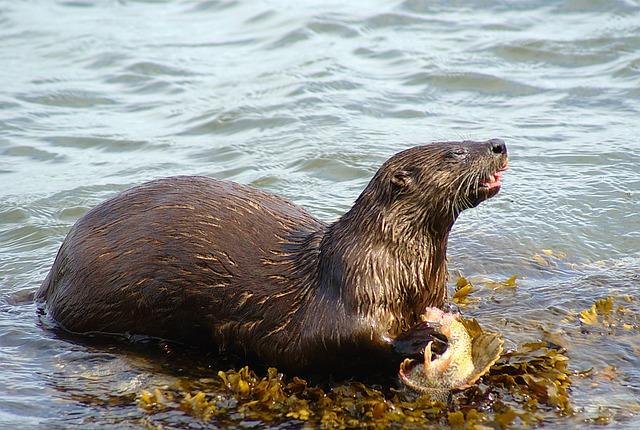
Sea otters keep sea urchin numbers down by hunting them. This directly protects kelp forests from being eaten to nothing.
Without otters, urchins run wild and can wipe out entire kelp forests, leaving only bare rock behind. It’s almost shocking how fast it can happen.
Controlling Sea Urchin Populations
Sea otters are top predators and love sea urchins best. One otter can eat 20-25% of its body weight a day—sometimes 15-20 pounds!
Main urchin targets:
- Red sea urchins (Mesocentrotus franciscanus)
- Purple sea urchins (Strongylocentrotus purpuratus)
They’ll float on their backs, crack open urchins with rocks, and chow down. This puts real pressure on urchin numbers.
Studies show otter predation drops urchin numbers fast. In some places, it happens within a year of otters showing up.
Otters aren’t picky, though—they’ll switch up their diet depending on what’s around. Smart, right?
Kelp Forest Protection and Restoration
Kelp forests bounce back where otters control urchin grazing. Giant kelp (Macrocystis pyrifera) can grow up to 2 feet a day if conditions are right. That’s some serious growth.
Here’s how recovery usually goes:
- Otters show up, eat lots of urchins
- Kelp seedlings get a chance to grow
- Kelp forests turn into multi-layered habitats
Healthy kelp forests with otters are home to thousands of species—fish, seabirds, marine invertebrates, you name it. The kelp’s structure makes a perfect home for all kinds of life.
Recovery speed isn’t the same everywhere. Vancouver Island bounced back quickly, but California took longer, with some in-between stages.
Urchin Barrens: Causes and Consequences
Urchin barrens form when otters are missing and urchins take over. These spots become almost lifeless—just urchins and bare rock.
What urchin barrens look like:
- Almost no kelp left (less than 5% of the original)
- Loads of urchins (50-100 per square meter)
- Fewer fish
- Simple, boring habitat
It doesn’t take long—urchins can mow down entire kelp forests in just a few months if no one’s stopping them.
Both major research sites started as urchin barrens before otter studies. That made it easy to see what changed when otters came back.
Urchin barrens can last for decades if nothing eats the urchins. Once the kelp’s gone, it’s tough for it to come back without a little help.
Biodiversity and the Marine Ecosystem Web
Sea otters kick off chain reactions that make marine life more diverse. By controlling what they eat, they keep kelp forests healthy and connect ocean life all the way to the shore.
Supporting Marine Biodiversity
Sea otters are basically biodiversity superheroes in the ocean. They’re top predators, especially for sea urchins, and that keeps kelp forests alive.
Kelp forests can support over 340 species—fish, invertebrates, marine mammals, you name it. Without otters, those forests vanish shockingly fast.
The way otters eat leaves space for a lot of species to thrive. They’ll snack on urchins, crabs, clams, and snails, but not so much of any one thing that it throws the balance off.
What’s on the otter menu?
- Purple sea urchins (their favorite)
- Dungeness crabs
- Abalone and other mollusks
- All sorts of fish
This kind of selective eating keeps everything in balance. Each prey animal has its own job in the ecosystem, and otters help keep that web from unraveling.
Effects on Other Marine Species
Sea otters influence marine species in a bunch of ways—some direct, some less obvious. When they’re around, other animals start acting differently, from how they feed to where they hang out and even how they reproduce in those coastal waters.
Fish numbers really jump in places where otters are thriving. Rockfish, lingcod, and surfperch all take advantage of the kelp forests, using them as nurseries and snack bars.
Marine birds benefit from otter activity:
- Seabirds get more nesting spots in thick kelp canopies
- Diving ducks go after the small fish living near kelp
- Cormorants hunt in the calmer waters around kelp forests
Marine invertebrates react in all sorts of ways to otters. Sure, sea urchins take a hit, but smaller critters like crustaceans and worms? Their numbers can explode.
The keystone predatory behavior of sea otters keeps any one species from taking over. This leaves room for less competitive species to stick around and reproduce.
Link to Coastal Ecosystems
Sea otters are like connectors between the ocean and land, especially through nutrient cycling and habitat creation. Kelp forests they protect end up bridging marine and coastal environments in some pretty cool ways.
Kelp provides coastal benefits:
- Acts as a buffer, protecting shorelines from big waves
- Sends nutrients to beaches when storms roll through
- Creates homes for birds that nest on land but feed in the water
Coastal birds like eagles and ravens snack on fish from otter-guarded kelp forests. Then, their droppings bring those marine nutrients inland.
The coastal ecosystem services boosted by otters include things like erosion control and carbon storage. Healthy kelp forests suck up a surprising amount of carbon dioxide.
Sometimes, river otters and sea otters even share the same coastal spots for a season. That overlap links up freshwater and marine food webs, which is a win for both sides.
People also end up relying on these otter-made connections—for fishing, tourism, and even coastal protection when storms hit.
Sea Otters and Ocean Health
Sea otters set off these wild ripple effects that go way beyond just their prey. The way they eat shakes up the whole ecosystem, helping trap carbon dioxide and even building natural defenses against sea level rise and wild weather.
Carbon Sequestration and Storage
Sea otters are like underwater climate warriors, thanks to what they do for kelp forests. By munching on sea urchins, they stop these prickly eaters from wiping out kelp beds. That means more kelp, which means more carbon captured.
Kelp can grow crazy fast—sometimes up to two feet a day. These underwater forests pull carbon dioxide out of the water and air, storing it in their leaves and roots.
Kelp forests capture and absorb loads of carbon dioxide to keep up with their sprinting growth. That takes a bite out of the greenhouse gases fueling climate change.
Salt marshes also do better when otters are around. They eat shore crabs that would otherwise tear up marsh plant roots, letting those grasses grow thick and stash away even more carbon underground.
Key Carbon Storage Benefits:
- Kelp forests lock carbon in their tissues
- Marsh grasses build deep, carbon-rich roots
- Seagrass meadows soak up carbon from the air
- Dead plants turn into long-term carbon storage
Sea Otters' Role in Ocean Resilience
Otter-guarded ecosystems end up working as natural shields against climate chaos. Thick kelp forests and healthy seagrass beds are like underwater shock absorbers during storms.
Dense kelp canopies knock down wave energy before it slams the shore. That means less beach erosion and flooding for those living near the coast. The kelp just bends with the current—no snapping or breaking.
Salt marshes, when otters keep the crab numbers down, offer even stronger protection. Sea otters help stabilize shore banks and let salt marshes thrive by keeping those destructive crabs in check.
These wetlands soak up storm surges like massive sponges. Their roots hold the ground together, even when tides and winds get wild.
Take otters out of the picture, and purple sea urchins go nuts, turning kelp forests into barren wastelands. No kelp, no protection—just open water and battered coastlines.
Climate Regulation Capabilities
Sea otter habitats actually help cool the ocean in a few ways. Kelp forests make shady underwater zones that stay cooler than the open sea.
Photosynthesis in kelp and seagrass removes carbon dioxide, which traps heat. Less CO2 means less acidity and steadier ocean temps.
Healthy seagrass meadows also pump out oxygen during the day. That oxygen keeps fish communities diverse and food webs stable. Balanced ecosystems are way better at handling temperature swings.
Temperature Regulation Methods:
- Kelp canopies block sunlight, creating cool spots
- Photosynthesis pulls out heat-trapping gases
- Oxygen from plants supports healthy fish populations
- Thick underwater vegetation keeps water temps steady
Marine ecosystems with sea otters stay linked up, so when climate stress hits one area, others can pick up the slack.
Challenges Facing Sea Otter Populations
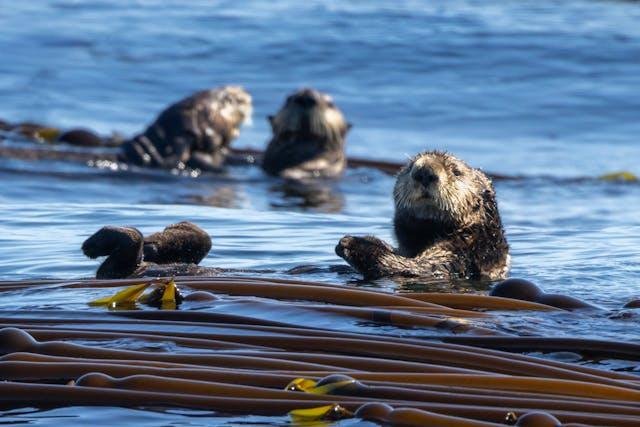
Sea otters have a rough road ahead. Oil spills are by far the biggest threat, but pollution, habitat loss, and shifting ocean conditions are piling on, too.
Threats from Pollution and Human Activity
Oil spills are a nightmare for otters. Big ships cruising the California coast are the main risk for the otters trying to make a comeback.
Otters just can’t survive oil exposure. Once their fur gets oily, it stops insulating them, and hypothermia kicks in fast—sometimes in just a few hours.
Major pollution sources include:
- Giant cargo ships and oil tankers
- Industrial waste flowing into the sea
- Plastic trash and lost fishing gear
- Chemicals contaminating the water
Bad water quality hits otter health in more ways than one. Toxic algae can poison their food, while chemical pollution messes with their immune systems and makes it harder for them to have pups.
When humans build up the coast, otters lose places to rest and eat. Boat traffic scares them off, and fishing nets can trap and drown them by accident.
Declining Sea Otter Populations
Sea otter populations have rebounded but then kind of stalled out, according to researchers who’ve tracked them since the ’80s. Recovery isn’t exactly a straight line.
The southern sea otter is still endangered. They’re expanding their range, but it’s slow going. That makes it tough for them to start new colonies.
Population challenges include:
- Not much genetic diversity left
- Slow spread to new areas
- High death rates from disease
- Fighting for good habitat with other animals
Alaska has about 70,000 sea otters, mostly in the south-central region. Other places? The numbers aren’t nearly as strong.
Disease outbreaks can wipe out local otter groups fast. Parasites and bacteria spread quickly, especially when otters are packed together. Malnutrition just makes them more vulnerable to getting sick.
Impact of Climate Change on Survival
Warming oceans are shaking up what otters can eat. As water temperatures rise, sea urchins, crabs, and other prey move around, and otters have to adapt to the shifting buffet.
Ocean acidification is tough on shellfish, which are a big part of the otter diet. Lower pH makes it harder for them to build strong shells—so fewer snacks for otters.
Climate impacts include:
- Prey species moving or disappearing
- Kelp forests changing or shrinking
- Storms hitting more often and harder
- Rising seas flooding coastal habitats
Strong storms can rip apart kelp forests, leaving otters without food or shelter. Sometimes, mothers and pups get separated in the chaos.
Sea level rise is eating away at marshes and rocky spots where otters find food. Flooding and erosion are real threats to their habitats.
Conservation Efforts and the Path Forward
Protecting sea otters isn’t simple—it takes focused recovery plans, restoring their habitats, and managing entire ecosystems. Right now, efforts are all about rescuing injured otters, helping them reclaim more territory, and fighting the big threats like oil spills and pollution.
Sea Otter Recovery Success Stories
The comeback story for sea otters is wild. They were almost wiped out in the early 1900s by fur hunters, with just 1,000-2,000 left worldwide.
Now, there are about 150,000 sea otters in the North Pacific. California’s southern sea otter population is up to nearly 3,000, based on the latest counts.
Key Recovery Milestones:
- Alaska’s otter population is over 100,000 now
- British Columbia and Washington have had successful reintroductions
- Tribal-led reintroduction projects are underway in Oregon and Northern California
Marine rehab centers are huge for otter recovery. They rescue sick or hurt otters, nurse them back to health, and get them ready to head back into the wild.
The Marine Mammal Center and similar groups have brought hundreds of otters back from the brink. Even one rescued otter can make a real difference in the health of a local kelp forest.
Strategies for Sea Otter Conservation
Modern conservation efforts focus on the biggest threats facing sea otters right now. Oil spills are still the main threat to California’s sea otter population, thanks to all the vessel traffic hugging the coast.
Primary Conservation Strategies:
| Strategy | Focus Area | Impact |
|---|---|---|
| Habitat Protection | Kelp forest restoration | Increases food sources |
| Pollution Control | Coastal runoff reduction | Improves water quality |
| Range Expansion | Natural population growth | Reduces catastrophic risk |
| Research Funding | Population monitoring | Guides management decisions |
Habitat restoration is really at the heart of sea otter conservation. Protecting kelp forests and seagrass beds means otters get enough food and a place to hide out.
Improving water quality gives sea otters a fighting chance. Cutting down on plastic and toxic runoff can help stop diseases that hit otter populations hard.
The Sea Otter Foundation & Trust offers grants for fresh research tech. Stuff like drone surveys and better tagging helps us actually keep track of how otters are doing.
The Broader Impact of Sea Otter Protection
Sea otter conservation does a lot more than just save one adorable species. As a keystone species, sea otters help strengthen natural defenses against climate change.
Healthy kelp forests, with sea otters around, soak up carbon dioxide from the air. That’s a big deal for cutting greenhouse gases and keeping global warming in check.
When otters are protected, their habitats turn into safe havens for all sorts of marine life. Fish, shellfish, and a bunch of other creatures do better where otters keep sea urchins under control.
Ecosystem Benefits:
- More biodiversity along the coast
- Healthier fish stocks for fisheries
- Better protection from storm damage
- Kelp forests pull carbon out of the atmosphere
Conservation groups join forces to help sea otters stick around. Marine Conservation Institute teams up with Sea Otter Savvy to get the word out about why these animals matter.
Public education makes a difference, too. Even small things—like cutting down on plastic or choosing sustainable seafood—can help otters make a comeback.
Frequently Asked Questions
Because their impact is disproportionately large. Even with small populations, sea otters regulate sea urchins and protect kelp forests that hundreds of other species depend on — making them vital to overall ocean balance.
By protecting kelp forests that absorb and store carbon dioxide. More otters mean healthier kelp, and healthier kelp means more carbon pulled out of the atmosphere and stored naturally in the ocean ecosystem.
Without otters, sea urchins multiply uncontrollably and devour kelp forests. The result is “urchin barrens” — lifeless seafloors with fewer fish, birds, and marine mammals, leading to collapsed food webs.
Sea otters live mainly along the North Pacific Rim — from Alaska and British Columbia to California and parts of Russia and Japan. Reintroduction projects are also restoring them to areas like Oregon and Northern California.
Support coastal cleanup efforts, reduce plastic and chemical pollution, use eco-friendly seafood choices, and back marine conservation groups that restore kelp forests and rescue injured otters.
Kelp forests provide food, shelter, and nurseries for hundreds of species. They also act as natural barriers that reduce coastal erosion and storm damage — benefits that extend to both marine life and humans.
How to Protect Forests from Deforestation: Want to Save the Planet?
Forests are under real threat. Millions of acres vanish every year—mostly because of expanding farms, logging, and cities pushing further out.This loss speeds up climate change, wipes out wildlife homes, and puts at risk the billions who rely on forests for food and income. Protecting forests from deforestation takes more than just laws—it needs community action, smart land management and...