
Is Sigiriya Worth the Hype? Tourists Reveal Magical Moments & Must-Know Insights
Lots of travelers wonder if Sigiriya actually lives up to all that buzz. The truth? Sigiriya delivers jaw-dropping views, deep history, and some pretty unforgettable moments—it’s honestly worth every bit of hype. Climbing the ancient rock fortress, checking out the frescoes and gardens, you stumble on moments that stick with you long after you leave.
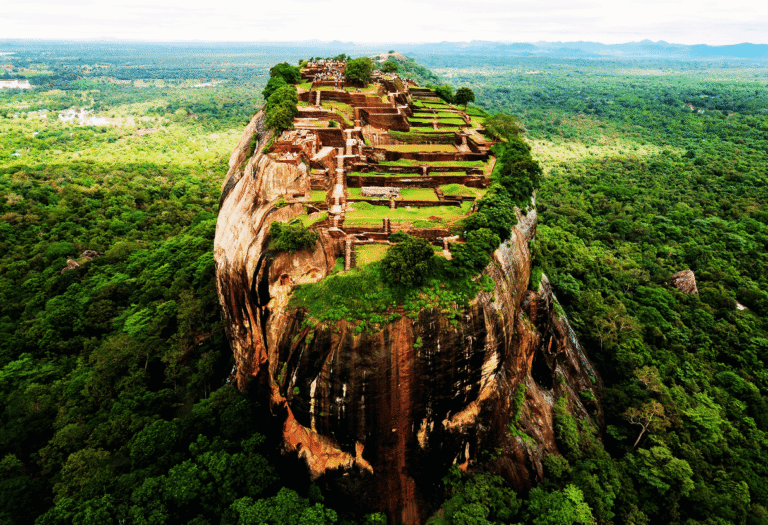
Sigiriya isn’t just a climb; it’s like stepping into a lost world. The blend of wild nature and ancient art makes for an atmosphere that’s almost otherworldly. Whether you’re catching sunrise from a nearby rock or wandering through the ruins, you start to get why so many people say Sigiriya is a must-see.
Exploring here is a real chance to connect with Sri Lanka’s story. No wonder it lands on so many bucket lists. Curious about the most magical moments? You might want to keep reading.
The Highlights You’ll Love
- Sigiriya’s views and history leave a big impression.
- The fortress and its surroundings are packed with ancient art and stories.
- Visiting Sigiriya is a deep dive into Sri Lanka’s culture and wild scenery.
Why Sigiriya Tops Every Traveler’s Bucket List
Sigiriya is this wild mix of history, adventure, and views you just don’t get everywhere. Ancient ruins perched above the jungle, vibrant frescoes, and sunrise moments that kind of burn into your memory. That’s why so many visitors call it unforgettable.
Tourists’ Most Magical Moments at Sigiriya
Ask around, and most travelers will tell you the climb up Lion Rock is the highlight. As you make your way up the nearly 200-meter fortress, you’ll pass ancient frescoes and those massive lion’s paws at the entrance. The view from the top? Sweeping jungles and the striking shape of Pidurangala Rock nearby.
Plenty of folks rave about sunrise from Pidurangala Rock, watching the sun wash over Sigiriya’s stone walls. Others get a kick out of the Royal Cave Temple, with its caves full of colorful Buddha statues. These moments really stick with you, blending Sri Lanka’s past with its wild beauty.
How Sigiriya Earned Its ‘Eighth Wonder of the World’ Status
People call Sigiriya the Eighth Wonder of the World thanks to its mix of natural beauty and ancient engineering. King Kasyapa built it in the 5th century, turning the rock into a palace with fancy gardens and water features.
It became a UNESCO World Heritage site in 1982. What’s cool is how the design blends military smarts with an eye for beauty—pretty rare for a fortress. The site’s well-preserved frescoes and palace ruins make Sigiriya a real symbol of Sri Lankan culture.
What Makes Sigiriya Worth the Hype?
What sets Sigiriya apart? It’s the wild combo of history, nature, and a dash of adventure. The climb is exciting but doable, usually taking under an hour. Along the way, you’ll walk past stone stairs, old pools, and medieval ruins.
Nearby, you’ll find lively villages with real Sri Lankan food and homestays. There are even safari parks just up the road—if you’re lucky, you might spot wild elephants. The whole area is packed with variety, making it a seriously memorable stop.
Want more reasons Sigiriya gets so much love? Check out liveistotravel.com/sigiriya-worlds-most-welcoming-city-sri-lanka.
A Journey Through Sigiriya’s Ancient Fortress

Sigiriya’s a towering rock fortress packed with stories and wild design. As you climb, you’ll uncover the dramatic backstory, clever ancient engineering, and those epic views at the top.
The Story of King Kashyapa
Here’s where it gets dramatic. King Kashyapa built Sigiriya in the 5th century, basically to hide out after some nasty family drama. He grabbed the throne and was always looking over his shoulder for his brother. So he turned this massive rock into his fortress and home.
He lived here for 18 years, surrounded by gardens and fresh air. Eventually, his brother came back with an army. Kashyapa lost, and, well, took his own life. After that, monks moved in. Knowing this backstory adds a real edge to your visit.
The Engineering Marvel of Lion Rock
It’s wild to think about building a palace on a 200-meter rock. The place shows off ancient Sri Lankan skills—water management, construction, and art. You’ll spot old canals and fountains in the gardens below, some still working after all these years.
Halfway up, those massive stone paws remind you this was once guarded by a giant lion statue. The name “Lion Rock” isn’t just for show. Engineers carved stairs and walls straight into the stone, making it a fortress that was almost impossible to attack.
Exploring the Summit and Panoramic Views
At the top, you’ll find the ruins of Kashyapa’s palace. There’s an ancient swimming pool, and you can stand where the throne might’ve been. But honestly, the 360-degree views steal the show—jungle, countryside, and the shape of Pidurangala Rock on the horizon.
The climb isn’t easy, but the views make every bit of effort feel worth it. History and nature really come together up here.
Want to dive deeper? There’s a full travel guide on Sigiriya Rock Fortress you can check out.
Signature Features: Lion Paws, Mirror Wall, and Ancient Frescoes
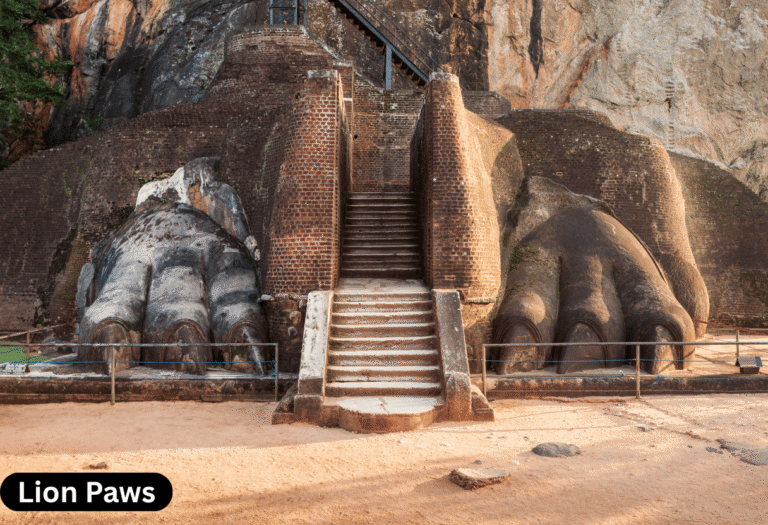
Sigiriya’s got some of the wildest art and architecture in Sri Lanka. Giant stone lion paws, walls covered with ancient writings—every corner’s got a story. These details really bring the place to life.
Admiring the Colossal Lion Paws
Right as you start the climb, those huge lion paws grab your attention. They mark the entrance, and you can almost feel the weight of history in the stone.
They’re all that’s left of a massive lion statue that once guarded the fortress. When you walk between them, you get why the place felt so powerful to its builders. It’s also a great spot for photos, honestly.
Uncovering the Secrets of the Mirror Wall
On the western side, the Mirror Wall stands out. It used to be polished so well it would reflect your face—and now it’s covered in ancient poems and graffiti.
Travelers from hundreds of years ago scribbled verses and thoughts here. It’s like a time capsule, giving you a personal link to people from the past.
The wall itself is a piece of art, with its smooth surface and all those old messages. Spending a minute here, you can almost hear echoes from centuries ago.
Marveling at the Ancient Frescoes
One of the real highlights? The ancient frescoes. These colorful murals are painted right onto the rock, showing celestial maidens—maybe royal consorts, maybe something more mythical.
The colors have lasted for over 1,500 years, which is kind of mind-blowing. Soft greens, saffron, and all kinds of details give you a peek into the style and culture of the time.
Standing in front of these paintings, it’s easy to imagine the royal court and artists who created them. They’re definitely a highlight and something you’ll remember.
Want to read more about Sigiriya’s unique features? Head over to Sigiriya Lion Rock Fortress for more info.
Wandering the Legendary Gardens and Surroundings

The gardens around Sigiriya are a real treat. These ancient landscapes blend wild nature with some really clever design. There are water fountains, huge boulders set just so, and smart systems that managed water flow ages ago.
Navigating the Water Gardens
The water gardens are especially famous. Pools, fountains, and channels—some built more than 1,500 years ago—still look peaceful and elegant. You’ll see water flowing through stone pipes and basins, and the fountains could actually shoot water up using just gravity. Pretty impressive, right?
The shaded paths next to the water are a welcome break from the sun. It’s a calm, cool spot—perfect for just soaking in the atmosphere and history.
Discovering Boulder and Landscaped Gardens
Past the water features, the boulder gardens grab your attention with their massive stones set in creative shapes. It’s a totally different vibe from the neat water channels.
Landscaped terraces, wide lawns, and rock formations blend together, guiding you along winding paths. As you wander, you’ll spot hidden pools and statues tucked away. Every stone and plant seems placed with purpose, showing off the old royal taste for mixing wild beauty with a human touch.
Reservoirs and Ancient Engineering
One of the coolest things about Sigiriya’s gardens is the reservoir system. These big water tanks collected rainwater and kept it steady all year long.
This clever setup kept the gardens green and helped the folks living in the fortress. You’ll notice how channels connect the reservoirs to fountains and pools.
Building these reservoirs without any modern tools is honestly mind-blowing. It really highlights just how much thought and effort went into planning. You can tell water management was a huge deal for the people who called Sigiriya home. Water management was kind of their thing.
Discovering Sigiriya’s Place in Sri Lanka’s Cultural Triangle
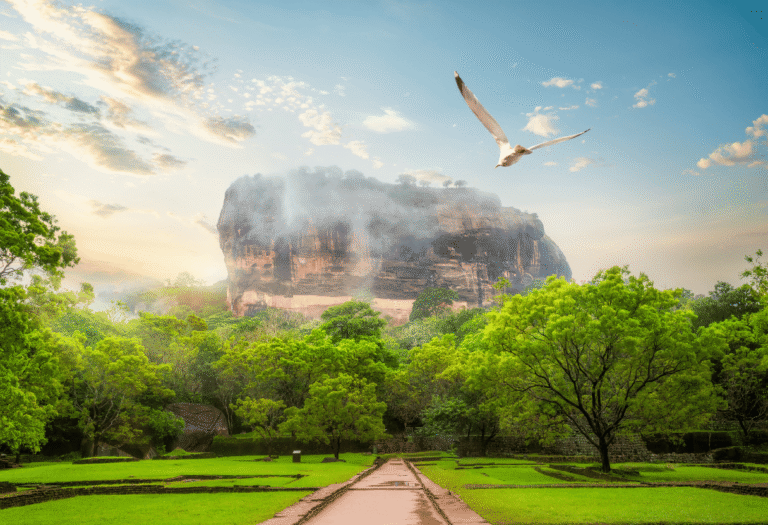
Sigiriya sits right in the heart of Sri Lanka’s Cultural Triangle, surrounded by history, nature, and a surprising amount of wildlife. When you visit, you’ll get a mix of ancient temples, unique wildlife experiences, and pretty easy access from Colombo.
Dambulla Cave Temple and Nearby Wonders
Not far from Sigiriya is the Dambulla Cave Temple—a stunning spot with five major caves packed with ancient Buddha statues and colorful murals. These caves are over 2,000 years old and give you a window into Sri Lanka’s spiritual roots.
Inside, it’s quiet and the artwork is honestly impressive. If you have time, check out the nearby villages or just wander the lush scenery around this UNESCO World Heritage Site. You get a little bit of culture and a little bit of nature, all just minutes from Sigiriya.
Exploring Minneriya National Park
Minneriya National Park is a must if you love nature. You can hop on a jeep safari and maybe spot huge herds of wild elephants, especially in the dry season when they gather at the Minneriya Tank.
Besides elephants, there are deer, monkeys, and loads of birds. It’s a fun way to mix in some wildlife and killer views with your Sigiriya trip.
Colombo to Sigiriya: Journey and Accessibility
Getting from Colombo to Sigiriya is actually pretty straightforward. The drive takes about 4-5 hours by car or bus and takes you through some scenic towns and countryside. No wonder Sigiriya is such a popular stop for travelers exploring Sri Lanka’s heartland.
If you’d rather not drive, you can book guided tours that handle all the transport. That way, you can just relax and enjoy the ride. However you get there, the journey itself connects you with the country before you even see the fortress.
Essential Tips for an Unforgettable Sigiriya Adventure
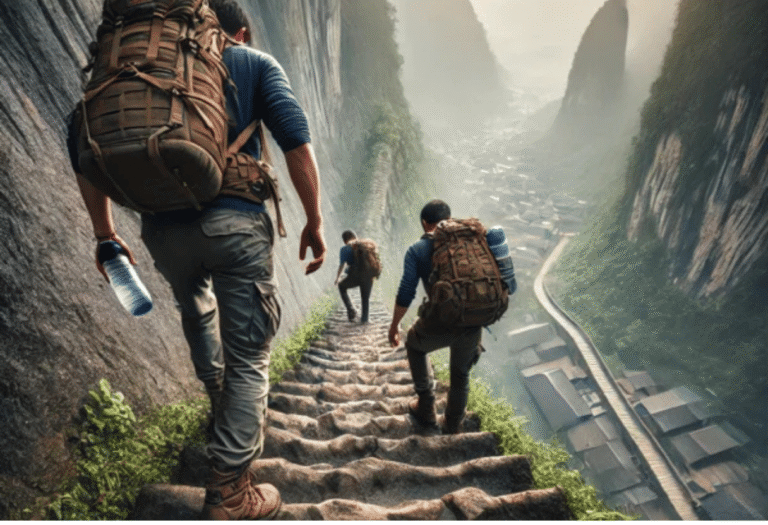
Planning ahead is key if you want to enjoy Lion Rock without any hiccups. Knowing when to go, what to pack, and how to get the most out of the local culture will make your trip way more memorable.
Best Time to Visit and Climbing Advice
The sweet spot for visiting Sigiriya is from December to April—that’s when the weather’s dry and the skies are usually clear. Try to avoid the monsoon season (May to September); the rain makes the climb slippery and, honestly, a bit sketchy.
Start climbing early, like 7 AM when the gates open. It’s cooler, less crowded, and you’ll have more energy.
Expect the climb to take around 2 to 3 hours, depending on your pace. Wear shoes with good grip, and don’t be afraid to stop and soak in the views or check out the ancient frescoes.
What to Pack and How to Prepare
Packing light but smart makes a huge difference. Here’s what you’ll want:
- Water: At least 1 liter to keep you going up and down the rock.
- Sun protection: Sunscreen, a hat, and sunglasses are lifesavers.
- Comfortable shoes: Go for sturdy trainers or walking shoes.
- Insect repellent: Mosquitoes are no joke in the jungle areas.
- A small backpack so your hands stay free while climbing.
It’s also smart to get a little exercise in before your trip. The climb is steep, so a bit of fitness goes a long way. You don’t want to be wiped out halfway up!
Experiencing Local Culture and Hospitality
Sigiriya isn’t just Lion Rock—it’s a spot where you can really get a feel for Sri Lanka’s culture. Chat with local guides if you get the chance; their stories and little tidbits about the fortress are often way more interesting than anything you’ll read in a brochure.
Grab a bite at some of the local eateries nearby. The food’s got its own vibe—spicy, colorful, and honestly, sometimes a surprise in the best way.
If you’re wandering through nearby villages, it’s good to be mindful—dress a bit modestly and keep things polite. People here are genuinely welcoming, and a friendly conversation can make your trip feel a lot more personal.
Popping into small shops or markets around Sigiriya isn’t just fun—you’re also helping out the local community, which feels pretty good.
Frequently Asked Questions
The climb is moderately challenging but doable for most visitors. It usually takes about 2 to 3 hours round trip, depending on your pace. Starting early in the morning when it’s cooler is recommended.
Yes, but caution is needed. Kids should be supervised closely, and older visitors may want to take breaks or avoid the steepest sections.
Sigiriya offers history and ruins, while Pidurangala is cheaper and gives the best panoramic sunrise view of Sigiriya itself. Many travelers do both.
Many visitors highlight climbing past the massive lion’s paws, viewing the ancient frescoes, and reaching the summit for stunning jungle vistas. Watching sunrise from nearby Pidurangala Rock and visiting the Royal Cave Temple are also magical experiences.
The quickest way is by private car or taxi (about 4–5 hours). Buses are cheaper but slower. Many visitors also book day tours.
Yes, but climbing during heavy rains (especially May–September) is not recommended due to slippery stairs.
Photography is not allowed inside the fresco area to protect the paintings. You can take photos elsewhere, including the summit and lion paws.
Unfortunately, due to the steep stairs and rocky paths, Sigiriya is not wheelchair-friendly. However, the gardens below can still be enjoyed.
Yes, the area has options from budget guesthouses to luxury resorts. Staying overnight allows you to explore at sunrise or sunset.
Of course! Sigiriya is located in the Central Province of Sri Lanka, within the heart of the Cultural Triangle, near towns like Dambulla and not far from Colombo. Click here

Dream City Colombo: Why Everyone Is Calling This 'Dream City' of South Asia
South Asia’s tourism scene is changing fast. City of Dreams Sri Lanka opened on August 2, 2025, becoming the region’s first fully integrated resort with a jaw-dropping $1.2 billion investment that’s turning Colombo into a luxury hotspot to rival Macau.....