
How to Start a Blog in 2025: From Zero to Viral and Make Money
Starting a blog in 2025? Still a smart move if you want to build an online business and create multiple income streams. You can build a profitable blog from scratch—even if you know nothing—by focusing on evergreen topics, mixing up your revenue sources, and sticking with growth tactics that actually work.
Plenty of bloggers have earned over $5 million by combining affiliate marketing, digital products, and other income streams. Not bad for something you can start at home.

The blogging world? It’s changed a lot. AI tools, new social platforms, and creative ways to make money have shaken things up. You don’t need a pile of cash or fancy tech skills to get started anymore.
Low startup costs mean you can launch a blog for less than what you probably spend on coffee each month. That’s honestly one of the best parts.
This guide? It’ll walk you through the steps to launch and grow a blog that actually makes money. You’ll figure out how to pick a niche that’s profitable, set up your site, create content that gets found on Google, and turn your blog into a business that generates income while you’re off doing other things.
What You’ll Learn?
- Pick a niche you care about and set up your blog with good hosting and a smart domain name.
- Create high-quality, evergreen content that’s search-optimized, and grow your audience with social media.
- Monetize with affiliate marketing, digital products, ads—don’t just stick to one thing.
Choose Your Niche and Define Your Blogging Goal
Your niche is everything. It decides if people show up—and if you’ll actually make money. You want something that balances your own interests with what people are looking for.
Understanding Profitable Blogging Niches
The best niches? They solve real problems, have people willing to spend, and let you make money in more than one way.
High-earning niches include:
- Personal finance and investing
- Health and fitness
- Technology reviews and tutorials
- Business and entrepreneurship
- Parenting advice
- Travel planning
These profitable blogging niches work because people are always searching for answers in these areas. There’s no shortage of demand.
Revenue potential varies by niche:
| Niche | Primary Income Sources | Average Income Potential |
|---|---|---|
| Personal Finance | Affiliate marketing, courses | $2,000-$50,000/month |
| Health & Fitness | Products, coaching | $1,000-$25,000/month |
| Technology | Reviews, sponsorships | $500-$15,000/month |
Money-making blogs focus on evergreen topics—stuff that stays relevant for years. Don’t chase trends that might be gone by next week.
Choosing a narrow sub-niche inside a bigger topic helps you stand out and build authority.
Assessing Your Passions and Market Demand
Your blog topic should excite you enough to write about it every week for years. Passion alone won’t pay the bills, but if you don’t care, you’ll burn out fast.
Make a list of your interests:
- Skills you use at work
- Hobbies you actually do
- Problems you’ve solved for yourself
- Stuff you read about for fun
Now, match those interests with what people want. Ask yourself:
- Do friends ask for your advice on this?
- Would someone actually pay to learn what you know?
- Can you come up with 50+ article ideas without struggling?
Test your depth: Write down 20 specific problems your future readers face. If you can’t get to 20, maybe the niche is too narrow—or just not your thing.
Finding your blogging niche is about mixing your passion with what people need. It really takes both.
Think about the long haul. Will this topic still interest you in two years? Consistency is key for any blog that actually grows.
Validating Your Blog Niche with Data
Don’t just guess—use keyword tools to see if people are searching for your topics. Google Keyword Planner, Ubersuggest, SEMrush—they’ll show you search volume and competition.
What to look for:
- Main keywords with at least 1,000 monthly searches
- Plenty of related keywords with some traffic
- Other successful blogs in your space
- Active social media groups and communities
Google Trends is handy for spotting if your niche is growing or fading. Aim for topics with stable or rising interest over the past few years.
Check out your competitors:
- Which posts get the most comments or shares?
- How often are they posting?
- What are they selling?
- How big is their audience?
Look on Amazon for books about your topic. More books usually means more demand. Facebook groups and Reddit can show you what questions people are asking and what problems they have.
As a quick test, jot down five blog post ideas. If you can do it easily, you probably have enough material to kick things off.
Set Up Your Blog: Platforms, Hosting, and Domain Name

The technical side matters more than people think. Your platform, hosting, and domain set the stage for how your blog performs, grows, and earns. WordPress, solid hosting, and a good domain? That’s the winning combo.
Choosing the Right Blogging Platform and Hosting
WordPress runs over 40% of all websites for a reason. You get full control, and you’re not boxed in when it comes to making money.
WordPress vs Other Platforms:
| Platform | Ownership | Customization | Monetization | Cost |
|---|---|---|---|---|
| WordPress.org | Full | Unlimited | Unlimited | $3-15/month |
| WordPress.com | Limited | Restricted | Limited | Free-$45/month |
| Medium | None | Very Limited | Very Limited | Free |
| Blogger | None | Limited | Limited | Free |
Honestly, self-hosted WordPress is the way to go. You own everything and can tweak your site however you want.
Top Hosting Providers for Bloggers:
Hostinger has managed WordPress hosting from $3.79/month. Free domain, and it can handle up to 100,000 monthly visitors—pretty solid for most beginners.
Bluehost makes WordPress easy with one-click installs, 24/7 support, and free SSL.
SiteGround is known for good uptime and fast sites. Their support is quick if you ever run into trouble.
Pick hosting that fits your budget and expected traffic. Most newbies are fine with a basic plan in the $3-8/month range.
Picking and Registering a Domain Name
Your domain is your blog’s first impression. Make it catchy and relevant to your topic.
Domain Name Tips:
- Keep it under 15 characters
- Stick with .com if you can
- No hyphens or numbers—they’re just confusing
- Easy to spell, easy to remember
Domain Ideas by Niche:
- Food: tasteofjapan.com, ramenvibes.com
- Travel: wanderlustmountains.com, packandgo.com
- Fitness: homeworkoutpro.com, fitlifestyle.com
Check if your domain is available through your hosting provider. Most top hosts throw in a free domain if you pay for a year up front.
If your dream .com is taken, try alternatives like:
- .blog for blogs
- .online for general topics
- .me for personal brands
Register your domain for at least a year. Set it to auto-renew so you don’t lose it by accident.
Installing WordPress and Essential Setup Steps
Most hosts offer one-click WordPress install. Takes maybe five minutes, tops.
How to Install WordPress:
- Log in to your hosting dashboard
- Find the WordPress installer
- Pick your domain
- Create your admin username and password
- Click install and let it do its thing
First Things to Do After Installation:
- Update WordPress to the latest version
- Add security plugins like Wordfence
- Set up automatic backups
- Tweak your SEO settings
- Pick a professional theme
Change your admin username from “admin” to something unique. Use a strong password—mix up letters, numbers, and symbols.
Install these plugins right away:
- Yoast SEO for search optimization
- UpdraftPlus for backups
- WP Rocket for speed
The default WordPress theme is fine for testing, but swap it for something that fits your niche and looks good on mobile.
Designing and Optimizing Your Blog for Success

Your blog’s design matters—a lot. It affects whether people trust you, stick around, or even find your site in search. If your blog’s not mobile-friendly, you’re missing out on half your audience. And don’t forget those essential pages; they help build credibility with both readers and Google.
Selecting a Blog Theme and Customizing Branding
Pick a theme that’s clean, professional, and loads fast. It should fit your content style and make navigation easy.
WordPress has thousands of free themes. Still, sometimes those premium themes are worth it for extra customization and support.
Your personal brand really starts with visuals. Stick to 2-3 colors that vibe with your niche and personality. Try to use the same fonts everywhere for a cohesive look.
Create a logo or header image that’s simple and easy to read, even when it’s tiny. Those brand colors? Use them in your logo, buttons, and little accents.
When customizing your theme, match it to your brand identity:
- Upload your logo in the header
- Switch default colors to your palette
- Choose readable fonts for both headings and body
- Add a personal photo to help readers connect
Play around with different layouts. Sidebars work for some niches, but others look better full-width. Honestly, you’ll know what feels right after a few tries.
Design choices seriously impact user experience and how long people stick around. Keeping things consistent across pages makes your blog feel trustworthy and easy to navigate.
Mobile Optimization and Blog Speed Enhancements
Most blog traffic comes from mobile these days—over 60%, if you can believe it. Your theme has to look sharp on phones and tablets, not just desktops.
Mobile optimization isn’t just about shrinking things. Buttons and links should be big enough for fingers, and menus need to be thumb-friendly. No one wants to pinch and zoom to read your text.
Speed matters—a slow blog loses readers fast. Google cares about this too, so it’s good for SEO.
Speed optimization essentials:
| Element | Target | Impact |
|---|---|---|
| Page load time | Under 3 seconds | High |
| Image sizes | Under 100KB each | Medium |
| Plugin count | Under 20 active | Medium |
| Hosting quality | 99.9% uptime | High |
Always compress your images before uploading—TinyPNG is a solid tool, or just use WordPress’s built-in options. If you can, go with WebP format for even smaller files.
Add a caching plugin like WP Rocket or W3 Total Cache. It makes your pages load way faster for repeat visitors.
Don’t cheap out on hosting. Quality hosting handles traffic spikes and keeps your site speedy. The bargain options can really drag you down.
Creating Essential Pages for Trust and Usability
Professional blogs need a few must-have pages for trust and legal reasons. These also help with SEO.
Your About page is where you introduce yourself. Share your expertise and background, and let people know why they should trust you. A professional photo and contact info go a long way.
On your Contact page, give readers a few ways to reach you—email, a contact form, social links. It’s good for transparency and opens doors for collabs.
Don’t skip the Privacy Policy. It’s required in a lot of places and explains how you handle visitor data. Most platforms have templates you can tweak.
If you offer advice, a Disclaimer page keeps things clear and protects you legally. Readers appreciate the honesty.
High-quality content needs to be organized. Use category pages to group similar posts, and add a search bar so people can find what they need.
Put email signup forms in smart spots—sidebar, footer, or even as a content upgrade. Growing your list means you’re not just relying on social media for traffic.
Essential blog pages make your site easier to use and help build trust with your audience.
Content Creation and SEO Strategies
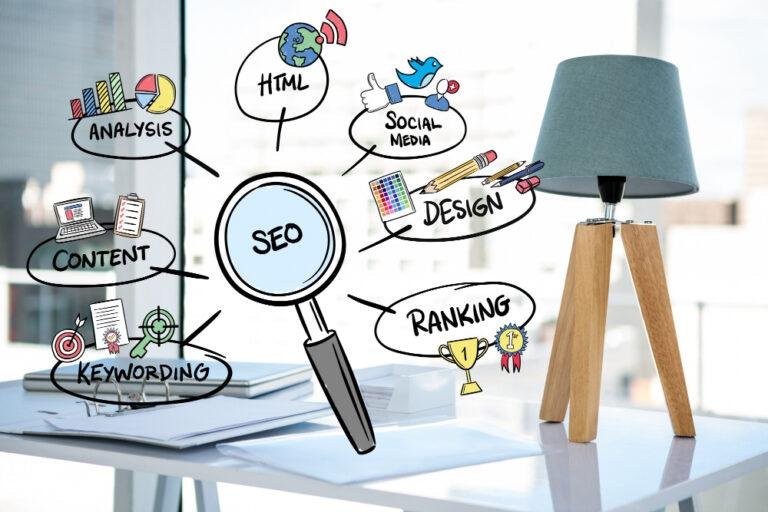
Good content plus smart SEO brings in both readers and revenue. The real trick is making valuable posts and getting them seen by the right people.
Generating High-Quality and Engaging Content
Your posts should actually solve problems for readers. Start with a clear goal for each post and tell people what they’ll get out of it.
Write like you’re talking to a friend—keep it simple and conversational. Short sentences are your friend.
Content Structure That Works:
- Grab attention fast—first 50 words matter
- Use bullet points and lists for easy reading
- Share examples or case studies when you can
- Break up text with images every few hundred words
AI tools like ChatGPT or Jasper are handy for brainstorming, but your own voice and stories make the difference.
Mix up your content types to keep things interesting:
| Content Type | Purpose | Frequency |
|---|---|---|
| How-to guides | Educational | 2-3 per week |
| List posts | Quick value | 1-2 per week |
| Case studies | Proof/authority | 1 per month |
Write a meta description that sums up your post in 150-160 characters. Make it punchy enough to get that click from search results.
Keyword Research and On-Page SEO Techniques
Keyword research starts with figuring out what your audience is actually searching for. Tools like Ahrefs and SEMrush can help you find those golden keywords with decent traffic.
Go for long-tail keywords—phrases with 3-5 words. They’re less competitive and usually convert better.
Smart Keyword Placement:
- Put your main keyword in the title
- Use it in the first 100 words
- Drop it into at least one H2 or H3 heading
- Mention it naturally a couple more times
On-page SEO isn’t just about keywords. Keep title tags under 60 characters and make your headlines interesting (but include your keyword).
Use header tags (H1, H2, H3) to organize your post. Google likes clear structure, and so do readers.
Speed matters for rankings. Compress images, pick a fast host, and remember—most people are reading on their phones.
Linking Strategies: Internal and External Links
Internal links connect your posts, making it easier for readers to find more of your stuff. Use descriptive anchor text—ditch the “click here.”
Link related posts together to create topic clusters. This helps with authority and keeps people on your site longer.
Internal Linking Best Practices:
- Link to 2-4 related posts in each article
- Use anchor text that includes your keywords
- Mix it up—link to both new and older content
- Check for broken links every month
Linking out to authoritative sites boosts your credibility. Reference studies, stats, or expert opinions to back up your points.
Getting quality backlinks from other sites helps your rankings. Guest blogging and creating resources people want to share are great ways to earn links.
Build real relationships with other bloggers in your space. Share their stuff, comment, and interact—it often leads to natural linking both ways.
Keep an eye on your backlinks with tools like Ahrefs. Focus on earning links from sites with strong domain authority in your field.
Growing and Promoting Your Blog Audience

Growing your blog audience in 2025 takes planning and a bit of hustle. You’ll need to get the hang of social media, build your email list, and keep an eye on your data to see what’s actually working.
Leveraging Social Media Platforms
Pinterest is a big deal for blog traffic. Make a few different pin designs for each post and use keyword-rich descriptions.
Post 3-5 pins for each blog post, each with a unique look or headline. Pinterest’s scheduler helps you post at the best times without losing your mind.
Instagram is great for visuals and sharing behind-the-scenes moments. Try snippets as carousels or stories, and use hashtags (but keep it under 10 per post—too many looks spammy).
Twitter is where you can jump into conversations in your niche. Share quotes, ask questions, and reply to others. Retweet your own stuff at different times to hit more people.
Medium lets you republish your content to reach new readers. Don’t forget canonical tags to avoid duplicate content headaches. Always include a call-to-action to bring people back to your main blog.
Building an Email List and Community
Email marketing is still king for bloggers. Use something like Mailchimp if you’re starting out, or ConvertKit if you want more features.
Offer a lead magnet—a checklist, template, or mini-course that solves a real problem for your readers.
Place opt-in forms in your sidebar, footer, and inside posts. Pop-ups do work, but use exit-intent so you’re not annoying everyone.
Send out weekly newsletters with your best stuff, exclusive tips, or a personal note. Keep it short and always have a clear call-to-action.
Segment your list based on interests or what people click on. Targeted emails convert way better than generic blasts.
Analyzing Traffic and Refining Your Strategy
Google Analytics tells you which posts are winners and where your traffic comes from. Set up goals for things like email signups to track what matters.
Keep an eye on these metrics every week:
- Page views and unique visitors
- Time on page and bounce rate
- Traffic sources (social, search, direct)
- Email signup conversion rates
Double down on what’s working—make more content like your top posts and focus on the social platforms sending you the best traffic.
Try different posting times, headlines, or promo strategies. Give it at least two weeks before you decide if something’s working.
A/B test your email subject lines and try new content formats to boost open rates. Most email tools make this super easy.
Monetization: How to Make Money From Your Blog

Making money from your blog means mixing income streams and having a plan. The most successful bloggers blend affiliate marketing, ads, digital products, and other passive income ideas to keep revenue steady.
Affiliate Marketing and Partnerships
Affiliate marketing’s a great way to earn commissions by sharing products you actually like. Amazon Associates is usually where most new bloggers dip their toes in first.
Whenever readers click your affiliate links and buy something, you get a cut. Commission rates jump all over the place—sometimes 1%, sometimes even 50%—it all depends on what you’re promoting.
Top affiliate programs to check out:
- Amazon Associates (1-10% commissions)
- ShareASale (depends on the merchant)
- CJ Affiliate (used to be Commission Junction)
- ClickBank (digital stuff, often higher commissions)
Stick with products that make sense for your blog. If you write about food, promote kitchen tools—not some random app.
Write real product reviews and do honest comparisons. People can tell when you’re being straight with them, especially if you’ve actually tried the thing.
Don’t forget to add those affiliate disclosures. It’s not just about following the rules—it actually helps with trust.
Keep an eye on which products are bringing in the most cash. Double down on what works.
Display Ads and Sponsored Content
Display ads are a classic way to earn passive income once your traffic’s rolling in. Google AdSense is super beginner-friendly—no big numbers needed.
But if you’ve got more visitors, premium ad networks pay way better. Here’s a quick look:
| Ad Network | Traffic Requirement | Average RPM |
|---|---|---|
| Google AdSense | No minimum | $1-3 |
| Mediavine | 50,000 sessions/month | $15-25 |
| AdThrive | 100,000 pageviews/month | $20-35 |
Sponsored posts are another option—brands pay you to write about their stuff. Rates are all over the place, but $100-$1,000+ per post isn’t unusual if you’ve got a solid audience.
If you want to land more sponsorships, put together a media kit. Share your traffic stats, who reads your blog, and maybe a few examples of past work. Brands like to see the receipts.
Don’t be shy about reaching out to companies that fit your niche. Smaller businesses often love working with bloggers instead of huge influencers.
When you do sponsored content, be upfront. Say things like “This post is sponsored by” or “Paid partnership with” so readers know what’s up.
Selling Digital Products and Online Courses
Digital products can be gold—make it once, sell it a bunch of times. That’s tough to beat.
Popular digital products for bloggers:
- E-books ($10-$50 each)
- Printables and templates ($5-$25 each)
- Checklists and worksheets ($5-$15 each)
- Online courses ($100-$2,000+ each)
If you’re just starting out, try something simple like a checklist or template. They’re quick to make and you’ll learn the ropes without too much stress.
Online courses can bring in the most per sale, but stick to topics where you can actually help people solve a real problem.
Platforms like Teachable, Thinkific, or Gumroad make selling easier—they handle payments and send out the product for you.
When you make landing pages, don’t just list features. Show people how your product makes their life better or fixes something that bugs them.
Diversifying Passive Income Streams
Passive income lets you earn without always being hands-on. Mixing up your strategies can help you dodge risk and maybe even boost your cash flow.
Email marketing? It’s a game changer for all your income streams. Start growing your list early—lead magnets like free guides or checklists work surprisingly well.
Membership sites bring in steady, monthly cash. Some folks charge $10, others go over $100 each month for exclusive content, a private community, or special resources.
Print-on-demand is pretty hassle-free. T-shirts, mugs, you name it—services like Printful or Teespring handle the messy stuff like production and shipping.
Don’t let your blog posts gather dust. Flip your best articles into YouTube videos, podcasts, or even bite-sized social media content. It’s less work than you’d think.
Ever thought about licensing your content? Some sites actually pay $50 to $500 or more for solid articles, especially in niche areas.
Honestly, it’s smarter to focus on just a few income streams—three or four is plenty. Nail those before you get tempted to try something new.
Frequently Asked Questions
Beginners (0–10K monthly visitors) typically earn $100–$1,000 per month, while growing blogs (10K–50K visitors) generally bring in $1,000–$5,000/month. Established blogs (50K+ visitors) can earn $5,000–$20,000/month, and top authority blogs with multiple monetization streams may reach $200,000–$1 million/month.
Another estimate places the average blogger earnings around $100–$300/month, with only 21% earning between $100 and $1,000/month.
An additional average figure suggests blogs could earn around $62,275 per year (~$5,200/month), with successful niches reaching $9,000+ per month.
On average, it takes about 22 months to begin earning from a blog, with a full-time income commonly achieved around four years and one month.
Some bloggers (around 30%) start earning within 6 months, and nearly 28% reach a full-time income within 2 years.
Notably, blogging longevity pays off: after 1–3 years, bloggers average $205.44/month, and after 10+ years, earnings climb to about $5,624.91/month.
Entry-level affiliates (0–1 year) may earn $500–$2,000/month; intermediate (1–3 years): $2,000–$10,000/month; experienced (3+ years): $10,000–$50,000+/month. Annual average salary around $56,000; top earners may reach $77,000/year. Shopify
Another source reports that the average affiliate marketer earns $8,038/month (~$96,456/year). Around 35% make at least $20,000/year, while the top 1% make six- to seven-figure monthly incomes.
The global affiliate marketing industry is projected to hit $37.3 billion in 2025, up from $27.8B in 2023, with continued expansion expected.
Affiliate programs remain a top-performing ROI channel, with reported returns as high as 15:1 and affiliates driving a significant portion of e-commerce sales.
High-earning niches: Personal finance, health & fitness, tech reviews, business, parenting, and travel typically perform well.
Affiliate commissions: SaaS/digital products offer the highest rates (20–70%), followed by sectors like finance, education, and travel; retail and fashion tend to offer lower rates.
Display ads RPM: Around $25–$30 RPM per 1,000 pageviews (or up to $30–$35 on a sessions basis), though ad revenues have softened recently—now closer to $24 RPM average.

How to Rank My Website on Google? Actionable Steps for 2025
Getting your website to rank on Google might seem overwhelming at first. But honestly, it’s a step-by-step process that anyone can figure out with a little patience. No magic—The real secret to ranking on Google....