
How to Improve Productivity: Actionable Steps for Better Results
Getting more things done in less time isn’t just about hustling nonstop. It’s about working smarter and using strategies that actually make your minutes count.

You can boost your productivity by dialing in four big things: sharpening your focus, managing your energy, getting your time organized, and sticking with solid habits.
Most people trip up on productivity because of distractions, interruptions, or just plain fatigue. It’s tough to stay on track when life keeps pulling you away from what matters.
But here’s the thing: productivity isn’t some magic trait you’re born with. You can pick up techniques and build systems that help you do more, with way less stress.
Maybe you want to get ahead at work, or maybe you just want more free time for yourself. Either way, the right approach can totally change the game.
What You’ll Learn?
- Productivity goes up when you focus on one thing at a time and cut out distractions.
- Managing your energy with good rest and time blocks helps you stay steady all day.
- Methods like time blocking and priority lists keep you working on what really matters, not just staying busy.
Understanding Productivity
Productivity is about how well you turn your time and resources into stuff that actually matters. It’s not the same as efficiency—productivity’s bigger picture, while efficiency is more about speed and not wasting stuff.
Defining Productivity and Efficiency
Workplace productivity measures how efficiently you turn time, effort, and resources into valuable results. It’s about creating more value with the same effort, or getting the same results with less.
Efficiency is just about getting tasks done right and fast, with as little waste as possible. You’re finishing work quicker or using fewer materials.
But productivity looks at the value of what you’re doing, not just how fast you do it or how little you use.
Key Differences:
| Aspect | Efficiency | Productivity |
|---|---|---|
| Focus | Process speed | Output value |
| Measurement | Time/resources used | Results achieved |
| Goal | Minimize waste | Maximize impact |
An efficient worker might answer 100 emails fast, but a productive worker answers 20 important ones that actually move the business forward.
You can be efficient and still not productive. Filing papers quickly isn’t worth much if no one ever needs those papers.
The Role of Productivity in Economic Growth
When productivity goes up, the economy grows—simple as that. You produce more value for every hour worked, and that helps everyone.
Countries with rising productivity see higher living standards. Workers get paid more because they’re creating more value. Companies invest in better tools and training to push things even further.
Productivity Growth Creates:
- Higher wages for workers
- Lower prices for consumers
- More profits for businesses
- Increased tax revenue for governments
Tech is a huge driver here—automation takes care of the boring stuff so you can focus on solving problems or being creative.
Learning new skills matters too. The more you know, the more valuable your work becomes.
Every individual improvement adds up. When you get better, it’s not just good for you—it ripples out to whole industries and even countries.
Quality Versus Quantity in Output
True productivity balances getting things done with doing the right things well. Just cranking out lots of stuff isn’t the goal.
High-quality work might take longer up front, but you’ll save time in the long run—not as much fixing mistakes or redoing things.
Quality Focus Benefits:
- Fewer customer complaints
- Reduced rework costs
- Stronger reputation
- Higher customer satisfaction
Quantity only matters if you’re hitting the quality mark. Making more of something is good, but only if it’s actually good enough.
The right mix depends on what you do. In manufacturing, you might need to crank out a lot while keeping quality steady. For creatives, sometimes one amazing idea is worth more than a hundred average ones.
Measure productivity by impact, not just activity. Sometimes, one great solution beats ten mediocre tries. Especially in knowledge work, quality usually wins. A single smart insight can save a ton of time or money.
Mastering Time Management

Managing your time well isn’t rocket science, but it does take some real strategies. Timeboxing, time blocking, smart lists, and priority systems can make a huge difference.
The Eisenhower Matrix is handy for sorting urgent stuff from what’s actually important. Streamlined to-do lists help you stay on track with what matters most.
Essential Time Management Techniques
Timeboxing is a goal-oriented time management strategy where you tackle work in set blocks of time. Each task gets a timebox—never more than three hours.
Break big projects into bite-sized pieces. Say you’re writing a report: give yourself two hours for research, then another three for the first draft.
Time blocking is a bit different. You group similar tasks and block off time for them, like handling all emails at once, or reserving a chunk for creative work.
The Pomodoro Technique is another favorite: 25 minutes working, 5 minutes off. After four rounds, take a longer break. It might sound simple, but those breaks really do help your brain reset.
Getting Things Done (GTD) is all about writing everything down. Dump your tasks in one place, sort them out, then get to work. It frees up headspace so you don’t have to remember every little thing.
Using To-Do Lists Effectively
Your to-do list is way more useful if you tie daily tasks to bigger goals. Shockingly, only about a quarter of employees actually see how their work connects to company objectives.
Start by jotting down everything you need to get done. Then, sort tasks by what’s urgent and important, not just random order.
Plan your next day in the last five minutes of your current workday. That way, you’re not scrambling in the morning trying to figure out what to do first.
Batch similar stuff together. Do all your calls at once, set aside a slot for emails, and save your best energy for creative projects.
Check your list often. Ditch tasks that don’t fit your goals anymore, and hand off what someone else can do better.
Prioritizing Tasks with the Eisenhower Matrix
The Eisenhower Matrix splits tasks into four boxes based on urgency and importance:
| Urgent | Not Urgent |
|---|---|
| Important: Do first | Important: Schedule |
| Not Important: Delegate | Not Important: Eliminate |
Quadrant 1 is for crises and tight deadlines. Handle these ASAP, but try not to let everything end up here.
Quadrant 2 is where the magic happens—important but not urgent stuff like planning or skill building. Make time for these, even if they don’t feel pressing.
Quadrant 3 is full of interruptions and “urgent” emails that don’t really matter. Delegate or batch these if you can.
Quadrant 4 is pure time-wasters: endless scrolling or pointless meetings. Cut them out whenever possible.
Use this matrix every day to sort your list and make sure you’re focusing on what actually moves the needle.
Boosting Workplace Productivity
Teams that click get results. The right tools and engaged people are the backbone of any high-performing group.
Building productive teams means having clear communication and defined roles. Project management tools keep things moving, and engaged employees just get more done.
Creating Productive Teams
Start by making sure everyone knows what they’re supposed to do. When roles are clear, teams can boost productivity by 15% just by staying focused and accountable.
Communication is everything. Use real-time messaging instead of endless email threads. Regular check-ins help you catch problems early and keep projects on track.
Break down silos between departments. Bringing together folks from different backgrounds leads to better ideas and faster problem-solving.
Make it safe for people to speak up. Teams do their best work when everyone feels comfortable sharing thoughts—no fear, no judgment.
Set team norms for meetings, deadlines, and decision-making. Clear guidelines keep things running smoothly and cut down on confusion.
Leveraging Project Management Tools
Project management tools help you keep tasks organized and teams in sync. Tools like Asana, Trello, and Monday.com all have different features, so there’s something for every team.
Automation in these platforms can handle routine jobs—reminders, status updates, the boring stuff. That leaves you with more time for the work that actually needs your brain.
Dashboards give you a quick snapshot of how things are going. If something’s falling behind, you’ll see it before it turns into a real headache.
Set up templates for projects you do over and over. It saves setup time and helps new people get up to speed faster.
Integrations let you link project tools with the other apps your team already uses. That way, you’re not constantly switching tabs or copying info back and forth.
Improving Employee Engagement
Engaged employees are just flat-out more productive. They get better results for your organization, plain and simple.
Companies with positive work cultures retain top talent four times more effectively than those that don’t prioritize engagement.
Give regular feedback and recognize good work. When people feel seen for their contributions, motivation and job satisfaction tend to go up.
Offer flexible work arrangements if you can swing it. Remote work and flexible schedules help folks balance life and work without burning out.
Invest in professional development. Training programs and workshops show you’re invested in employees’ growth, not just their output.
Let employees pitch ideas and get involved in decisions. When people know their opinions count, they’re way more invested in what happens to the company.
Set clear expectations and make sure people have the resources they need. Nothing tanks engagement faster than being asked to do a job without the right tools or guidance.
Implementing Proven Productivity Methods
The best productivity methods really boil down to time management and focus. Time tracking and productivity apps can help you spot where you’re losing time, and structured work intervals help you stay on track.
The Pomodoro Technique
The Pomodoro technique is all about working in 25-minute sprints, then taking a five-minute breather. It’s surprisingly effective for keeping your brain sharp and avoiding burnout.
How to implement the Pomodoro technique:
- Pick one task to tackle.
- Set a timer for 25 minutes.
- Work without distractions—seriously, put your phone away.
- When the timer goes off, take a five-minute break.
- After four rounds, take a longer break—15 to 30 minutes to reset.
The Pomodoro technique creates urgency and breaks big projects into bite-sized chunks. A lot of people say it helps them beat procrastination since 25 minutes feels doable.
Benefits include:
- Staying focused when it matters
- Managing your time, instead of letting it manage you
- Less mental exhaustion thanks to regular breaks
- Actually finishing more tasks
Use whatever timer works for you—an app, your phone, or just a kitchen timer. The trick is to actually stick to the time limits.
Deep Work for Focused Output
Deep work is about carving out chunks of uninterrupted time for tough, brain-heavy tasks. You’ll get better results this way than by bouncing between a million things.
Creating deep work sessions:
- Block off 1–4 hours with zero interruptions
- Mute notifications and close apps you don’t need
- Tackle your hardest project during this window
- Work somewhere quiet, away from distractions
Try to schedule deep work when you’ve got the most energy—usually mornings before the day gets hectic.
Essential conditions for deep work:
- Clear goals for each session
- No distractions in your workspace
- Consistent routine to build the habit
- Just one project at a time—no multitasking
Deep work pairs nicely with the Pomodoro technique. Use Pomodoros for routine stuff, and save deep work blocks for the big, complex projects.
Batching and Productivity Hacks
Task batching groups similar activities together to cut down on context switching. It’s a simple way to save mental energy and get more done.
Effective batching strategies:
- Handle all your emails at set times—morning, lunch, or end of day
- Make all your phone calls in one go
- Put meetings on specific days
- Tackle admin work in one chunk
Batching works because your brain doesn’t have to keep adjusting. Switching gears constantly is just exhausting.
Common productivity hacks to combine with batching:
- Use templates for tasks you do over and over
- Set up auto-responses for routine questions
- Prep materials the night before
- Keep a list of tasks to batch later
The Eisenhower Matrix helps prioritize which batched tasks need attention now, and what can wait.
Harnessing Technology for Productivity Gains
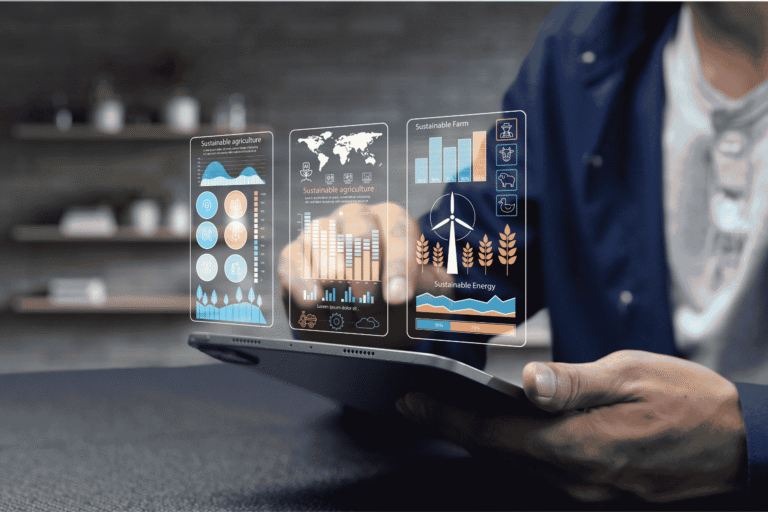
Smart automation can take care of repetitive stuff, while AI assistants help with tricky decisions. Picking the right digital platforms creates smoother workflows and actually lets you focus on the work that matters.
AI and Automation in Daily Tasks
AI tools are now handling routine work that used to eat up hours. Email filters sort your inbox for you, and calendar apps set meetings without endless back-and-forth.
Automation tools like Zapier link different apps to create custom workflows. Get an email attachment? It can auto-save to your cloud. Someone fills out a contact form? Their info goes straight into your database.
Common AI Applications:
- Grammar checks while you write
- Smart replies for emails
- Pulling data out of documents
- Scheduling social media posts
- Processing invoices
Voice assistants can set reminders or add tasks while you do something else. AI writing tools can get you started on drafts that you polish up later.
Start small. Pick one repetitive thing you do every day and automate it. Try it out for a week before adding more.
Choosing Effective Digital Tools
The best digital tools make life easier, not more complicated. Task management apps like Todoist keep your projects and deadlines organized in one spot.
Essential Tool Categories:
| Tool Type | Purpose | Examples |
|---|---|---|
| Note-taking | Capture ideas quickly | Evernote, Notion |
| File storage | Access files anywhere | Google Drive, Dropbox |
| Communication | Team coordination | Slack, Microsoft Teams |
| Time tracking | Monitor productivity | Toggl, RescueTime |
Cloud-based file organization means you can pull up your documents from anywhere. Real-time collaboration lets several people work on the same file—no more version headaches.
Focus apps block distracting websites. Password managers save you from the “forgot password” spiral.
Stick with tools that mesh with what you already use. A shiny new app that forces you to change everything usually ends up being more hassle than help.
Driving Innovation Through Technology
Technology opens up creative ways to tackle old problems. Video calls make remote teamwork possible. Project management platforms let everyone see what’s happening in real time.
Modern businesses use data analytics to spot bottlenecks. Time-tracking software shows which tasks are actually worth your time.
Innovation Opportunities:
- Remote work—work from anywhere
- Instant project updates
- Automated reports
- Digital spaces for collaboration
- Mobile productivity on the go
Cloud computing gives small teams access to powerful tools without huge costs. AI-driven insights let you make decisions based on real patterns, not just guesses.
Technology platforms now offer templates and workflows that leading companies have already tested. Why reinvent the wheel when you can adapt what’s working for others?
The coolest solutions often mix several technologies. For example, voice recording apps that transcribe and organize meeting notes save time on both documentation and follow-up.
Optimizing Your Workday and Routines
Building a productive morning routine and shaping your workday around your natural energy can really set you up for a solid day. Timing your breaks and matching tasks to your energy levels helps you stay sharp and get more done.
Establishing a Morning Routine
Your morning routine basically tells your brain, “Okay, it’s work time.” A consistent morning ritual signals “work mode” to your brain, and apparently, 92% of super-productive people have some kind of planned morning routine.
Keep it simple and short—5 to 10 minutes is plenty. If your routine takes half an hour, you’ll probably bail on it after a week.
Effective morning routine elements:
- Make your coffee or tea and actually enjoy it
- Stretch for a couple of minutes
- Look over your top three priorities
- Set up your workspace so you’re ready to go
It’s more about doing it every day than doing it perfectly. Your brain likes the predictability—it’s how you ease into focus mode.
Planning and Structuring Your Workday
Planning your workday the night before wipes out morning indecision and gives you a running start. Jot down tomorrow’s tasks and circle your three must-dos before you sign off.
Try time blocking—give each type of task its own chunk of the day. Maybe mornings are for client work, early afternoons for marketing, and late afternoons for admin stuff.
Time blocking benefits:
- Stops you from bouncing between tasks all day
- Keeps your focus sharp
- Saves your mental energy
- Gives you clear boundaries
Batch similar tasks within those blocks. Handle all emails, calls, and messages in one go instead of letting them interrupt you all day.
Always double-check your task list against your calendar. That way, you don’t get blindsided by a meeting you forgot about or an urgent deadline.
Aligning Tasks with Ultradian Rhythms
Your body runs on these natural 90-120 minute cycles, called ultradian rhythms. They shape your energy, focus, and how sharp you feel at different points in the day.
Try tracking your energy for a week or two. Jot down when you feel on fire and when you’re dragging.
Notice when you actually want to get stuff done versus when you just can’t get started, no matter what.
Finding your peak times:
- Morning focus: 8:00 AM – 10:00 AM
- Midday energy: 11:00 AM – 1:00 PM
- Afternoon dip: 2:00 PM – 4:00 PM
- Evening surge: 4:00 PM – 6:00 PM
Save your heavy lifting—writing, planning, solving big problems—for those peak hours. Push admin stuff or easy tasks to the lower-energy parts of your day.
Try mixing up your schedule a bit. Do deep work at different times and pay attention to how you feel and how fast you get things done.
Taking Strategic Breaks to Recharge
Strategic breaks prevent burnout and maintain high energy levels throughout your workday. Quick, intentional breaks actually help your brain reset so you can come back sharper.
Start with a 50/10 split: 50 minutes working, 10 minutes off. If you notice your focus fading sooner, try 25 minutes on and 5 minutes off.
Effective break activities:
- Step outside for some air
- Do a little stretching or take a walk
- Drink some water
- Practice deep breathing
Try not to scroll your phone or check emails during breaks. That stuff just keeps your mind spinning and doesn’t really help you reset.
If you’re in a serious groove, try 90-minute work blocks with 15-20 minute breaks. It fits with those ultradian rhythms and can really help you focus longer.
Pick a clear end time for your workday. Toss in a 10-minute “wrap-up” to finish loose ends and get tomorrow’s priorities straight before you shut down.
Advanced Strategies for Maximum Productivity
Honestly, real productivity is about protecting your personal time and ditching tasks that just drain you. The most successful folks I know stick to high-impact work and keep clear boundaries between work and life.
Balancing Work and Life
Work-life balance isn’t just a buzzword—it really shapes your long-term performance. If you never take a break, your focus tanks and you start making mistakes.
Decide when you’re “off the clock.” Turn off email after 6 PM. Try not to check messages on weekends unless it’s absolutely necessary.
Put some real space between work and home time. If you work from home, claim a specific spot as your office. When you’re done, close your laptop and put it away—out of sight, out of mind.
Schedule your personal stuff the way you schedule meetings. Block out time for a workout, dinner with family, or even just chilling. Treat these like real appointments.
Don’t skip your vacation days. Lots of people think working nonstop gets more done, but research says taking breaks actually boosts productivity by 13%. That’s not nothing.
Build little rituals to shift gears at the end of the day. Go for a walk, change into comfy clothes, or put on music for a few minutes. It helps your brain switch modes.
Outsourcing Low-Value Tasks
Outsourcing routine tasks gives you more brain space for stuff that actually matters. Look for activities that eat up your time but don’t really need your unique skills or expertise.
Administrative chores are prime candidates for handing off. Think about things like scheduling appointments or dealing with endless emails.
Virtual assistants can tackle these jobs efficiently—usually for less than what your own time is worth. Data entry and basic research? Let someone else handle it.
Don’t forget about personal errands. Services like grocery delivery, cleaning, or lawn care can give you hours back every week.
That extra time? You could use it for big work projects or, honestly, just hang out with your family.
Tech is your friend here too. Set up automatic bill payments and use scheduling tools for things like social media posts.
AI tools can help out by summarizing long documents or meeting notes. It’s amazing what you can automate these days, isn’t it?
Think about the real cost of doing everything yourself. If you make $50 an hour and spend three hours on bookkeeping, that’s $150 gone.
But if you hire a bookkeeper for $75, you’re saving both money and precious time. Seems like a no-brainer, right?
Start simple. Outsource just one or two tasks at first and see how it goes.
Try out a few different providers until you find someone reliable. As you get more comfortable, you can slowly hand off more and more.
Frequently Asked Questions
Start small and build gradually. Consistency comes from creating daily routines, using reminders, and tracking your progress. Once your habits feel automatic, you’ll find it easier to stay on track even on low-energy days.
Set clear boundaries—use a dedicated workspace, silence notifications, and let family know your focus hours. Tools like website blockers or background music apps can also help maintain concentration.
Yes. Structured work and time management lower mental clutter and prevent last-minute panic. When you know what to do and when to stop, you naturally feel calmer and more in control.
Track your output, not just your hours. Tools like Toggl, Clockify, or a simple notebook can help you compare time spent versus meaningful results achieved each week.
You might be overworking or focusing on low-value tasks. Reassess your priorities, schedule rest breaks, and delegate or automate repetitive work to restore balance.
Start with the Pomodoro Technique—it’s simple, flexible, and helps you ease into focused work sessions without feeling overwhelmed. You can add more advanced methods later.
Review your systems monthly. Adjust goals, refresh your workspace, and celebrate small wins. Productivity isn’t a one-time setup—it’s a cycle of improving, adapting, and growing.

How to Boost Brain Performance: 7 Daily Habits from Neuroscientists’ Report
Your brain doesn’t have to slow down as you get older. Simple daily habits backed by neuroscience can actually help you improve memory, focus, and overall cognitive function—no matter your age.While a lot of folks worry about mental decline, scientists have found some surprisingly doable things you can work into your routine to keep your mind sharp...