
How to Protect Forests from Deforestation: Want to Save the Planet?
Forests are under real threat. Millions of acres vanish every year—mostly because of expanding farms, logging, and cities pushing further out.
This loss speeds up climate change, wipes out wildlife homes, and puts at risk the billions who rely on forests for food and income.
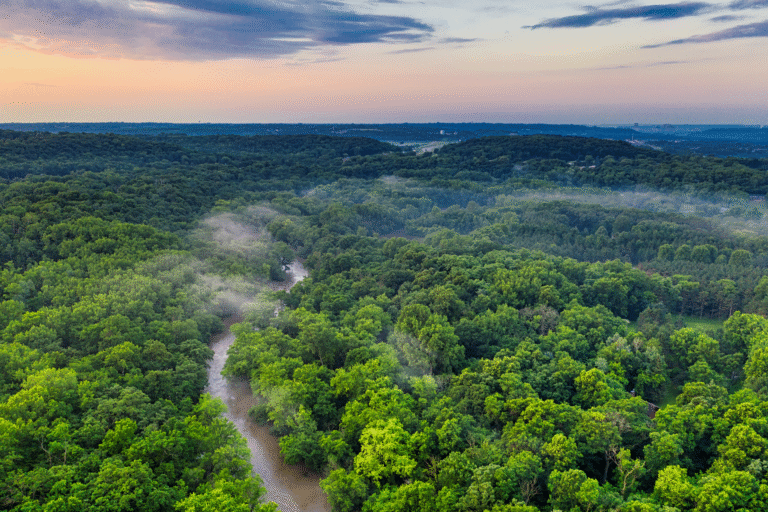
Protecting forests from deforestation takes more than just laws—it needs community action, smart land management, and new tech.
The best progress usually happens when local people, governments, and organizations work together. It’s all about finding that tricky balance between making a living and keeping forests alive.
There’s plenty of research out there warning us that forests are struggling to survive as the planet warms.
But here’s a hopeful note: there are proven ways to slow down and even reverse deforestation if we actually use them. These range from supporting indigenous rights to using satellites to keep an eye on what’s happening in remote forests.
What You’ll Learn?
- Deforestation threatens climate stability and biodiversity, so action can’t wait
- Successful forest protection comes from mixing community involvement, government policies, and sustainable land use
- Tech and restoration projects help us track forest health and bring back damaged ecosystems
Understanding the Drivers of Deforestation
What’s driving deforestation? Three big things: farming, logging, and growing cities (plus all the roads and infrastructure that come with them).
Agricultural Expansion and Land Use
Farming is the main culprit here. People clear forests to plant crops or raise cattle. It’s not hard to see why—more people means more mouths to feed.
Agricultural expansion is a huge problem in tropical areas. Cattle ranching chews up forests in South America, and soy farms are spreading fast too.
Small farmers also cut trees for basic crops like corn, rice, and beans. Honestly, a lot of them don’t have many choices for making a living.
Palm oil is another big one. In Southeast Asia, companies clear out forests for these plantations, and the oil ends up in everything from snacks to shampoo.
Key agricultural drivers:
- Cattle ranching
- Soy production
- Palm oil plantations
- Small-scale farming
- Cash crops
Logging and Timber Extraction
Logging companies cut down forests for wood, which ends up as furniture, paper, and building materials.
Legal logging is supposed to follow rules about which trees can be cut. Done right, it can leave the forest mostly intact.
Illegal logging is a whole different story—cutting protected trees, sneaking into banned areas, and just tearing up the land.
Logging activities don’t just take trees—they wreck soil and plants with heavy machinery.
Some loggers target only valuable species, like mahogany or teak. The problem? Those old giants take forever to grow back.
Urbanization and Infrastructure Development
Cities are spreading, and with them come new houses, shops, and factories—often right where forests used to be.
Roads are a sneaky driver. Once a road cuts through a forest, it’s easier for more people to move in and start clearing land.
Mining is another big one—companies clear trees to dig for gold, copper, and other metals. The patterns of forest loss often follow social and economic trends.
Power lines and pipelines also slice through forests, breaking up habitats. Animals suddenly can’t move around like they used to.
Infrastructure impacts:
- Housing developments
- Shopping centers
- Factories
- Roads and highways
- Energy projects
Why Protecting Forests Matters
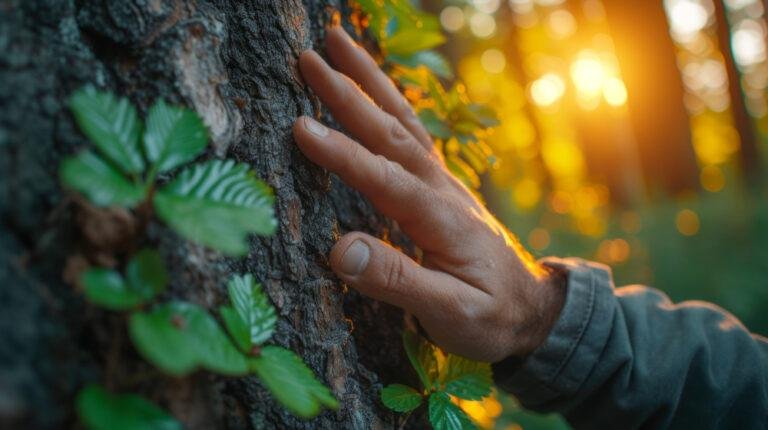
Forests do a ton of heavy lifting for the planet. They soak up carbon, make oxygen, and are home to more than 80% of land species. Plus, they keep the water and soil systems running smoothly.
Impact on Climate Change and Greenhouse Gas Emissions
Forests are basically giant carbon vacuums, pulling in about 2.6 billion tons of CO2 every year. As trees grow, they lock that carbon away in their trunks, roots, and the dirt around them.
When forests are cut, all that stored carbon gets dumped back into the air. Scientists say deforestation is responsible for about 11% of global greenhouse emissions—right behind burning fossil fuels and industrial stuff.
The Amazon alone stores a wild amount of carbon—like 150-200 billion tons. If we lose too much of it, irreversible changes could hit the entire ecosystem.
Protected forests help stabilize the climate. Just one hectare of mature forest can absorb 22 tons of CO2 a year. That’s a pretty cost-effective way to fight climate change.
When we lose forests, we lose future carbon storage too. A single big tree can soak up 48 pounds of CO2 a year and store over a ton in its lifetime.
Biodiversity Loss and Ecosystem Services
Forests support around 80% of all land-based plants and animals. Biodiversity in forests gives us ecosystem services we honestly can’t live without.
Lose the forest, and you lose species—fast. Estimates say about 137 plant and animal species disappear from tropical forests every day. Some of these could have been the next big medical breakthrough, but we’ll never know.
Forests offer crucial ecosystem services worth trillions:
- Pollination from forest insects
- Natural pest control
- Soil building from decaying leaves
- Air cleaning by filtering pollution
Fragmented forests mess up wildlife movement. When big forests become tiny patches, animals can’t migrate or find mates. That leads to shrinking populations and extinction.
Everything’s connected. Lose one species, and it can set off a domino effect through the whole forest.
Role in Water Cycles and Soil Health
Forests help manage water by soaking up rain, cleaning groundwater, and releasing moisture through their leaves. One big tree can pump 100 gallons of water into the air every day.
Cutting forests messes with local weather. Trees actually help make rain by sending water vapor into the sky. Without them, droughts get worse and rain gets scarce.
Forest soils are like sponges—holding water and stopping floods and erosion. Tree roots hold everything together and let water seep in. Healthy forest soil can soak up 18 times more water than worn-out land.
Soil fertility depends on forests, too. Rotting leaves and dead plants build up rich soil. Underground, fungi help trees share nutrients and even warn each other about pests.
When forests vanish, topsoil washes away in just a few years. Rivers fill with mud, and farmland is ruined for generations.
Community-Led Forest Protection
Local communities are honestly at the heart of stopping deforestation. Education, traditional know-how, and eco-friendly tourism all matter. When people have a real stake, they fight harder for the forest than any outside group.
Raising Awareness and Education
Community education teaches people why forests matter—for clean air, safe water, and wildlife. Local leaders run workshops to show how trees prevent floods and erosion.
Schools team up with environmental groups for tree-planting days. Kids learn to spot native trees and see firsthand how forests help their neighborhoods.
Popular education activities:
- Door-to-door campaigns
- Community meetings
- Farmer training
- Youth clubs
Community-led forestry projects focus on training local leaders and farmers. These folks set up rules and patrols to catch illegal loggers.
Village groups post signs and keep an eye on the woods, making sure no one sneaks in to cut trees without permission.
Involving Indigenous Communities
Indigenous people protect around 80% of the world’s biodiversity. Their knowledge is gold—they know which trees to plant and how to harvest without wrecking the forest.
Many indigenous groups have lived in the same forests for centuries. They know which plants heal, which ones feed, and how to keep the balance.
Traditional protection methods:
- Sacred forest areas
- Seasonal harvest rules
- Community-run nurseries
- Seed banks
Indigenous monitoring teams—like those in Cambodia’s Prey Lang forest—patrol ancestral lands, track illegal logging, and report problems to the authorities.
Recognizing land rights is huge. When indigenous people have legal ownership, deforestation drops compared to unprotected land.
Promoting Responsible Tourism
Eco-tourism gives people jobs that depend on healthy forests. Local guides earn money by showing off wildlife and sharing their knowledge with visitors.
Community-run lodges and restaurants mean families can make a living without cutting trees. Sometimes, tourism pays better than logging ever could.
Sustainable tourism ideas:
- Small-group nature walks
- Guide training for locals
- Community-owned places to stay
- Handmade crafts for sale
Tourist fees help pay for forest rangers, equipment, and new trees. Some of that money goes straight into conservation projects.
Visitors also get a crash course in why forests matter—often from the people who live there. It’s a win-win.
Some villages have butterfly gardens or medicinal plant trails. These show off forest diversity and bring in extra cash for the community.
Implementing Sustainable Land Management
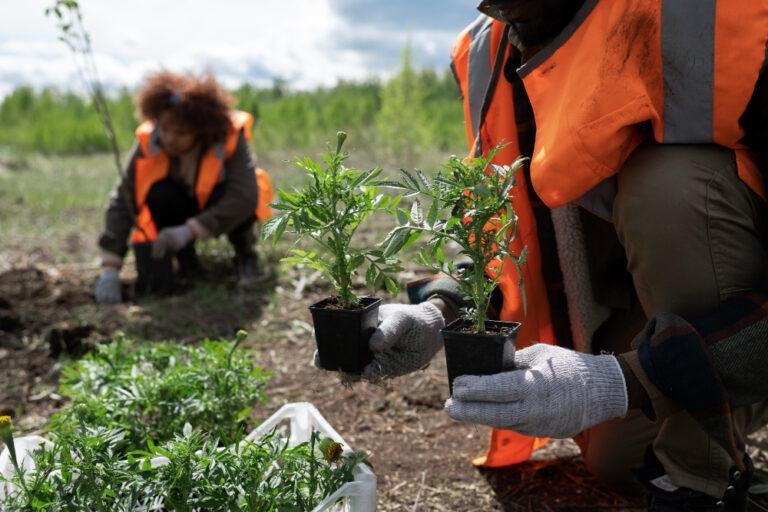
Sustainable land management practices mix tree planting with crops, lower demand for forest products using certified alternatives, and swap wood-based stuff for renewable materials.
These approaches try to protect forests while still making sure people have food, shelter, and energy.
Agroforestry and Sustainable Farming
Agroforestry is about planting trees right in the middle of farms. Farmers put trees alongside their crops or even in livestock fields.
This setup brings a bunch of perks. Trees help keep soil in place and hold onto water.
They also act as windbreaks, which shield crops from harsh weather.
Key agroforestry practices include:
- Alley cropping: Rows of trees planted between crop rows
- Silvopasture: Trees grown in pasture areas for livestock
- Forest gardens: Multiple tree layers with crops underneath
Sustainable farming eases pressure on forests. Crop rotation keeps soil healthy without needing to clear new land.
Cover crops stop erosion and add nutrients back in. Farmers can actually boost yields on the land they already have.
That means there’s less reason to chop down forests for new farmland. Precision agriculture uses tech to get fertilizer and water just right.
GPS-guided equipment helps cut down on waste and keeps the environmental impact lower.
Certified Wood and Responsible Consumption
Forest certification makes sure wood is coming from responsibly managed forests. The Forest Stewardship Council (FSC) and Programme for Endorsement of Forest Certification (PEFC) set the bar pretty high.
Certified forests have to keep up biodiversity, protect wildlife, and look after water sources. Workers also get fair wages and safer conditions.
Consumers can identify certified products by:
- FSC logo on packaging
- PEFC certification marks
- Chain of custody documentation
Using recycled wood cuts demand for new timber. Reclaimed lumber from old buildings is actually great quality, too.
More companies are pledging to keep their supply chains free from deforestation. They track where wood comes from using digital systems, and sometimes even blockchain tech to prove it.
Responsible consumption really comes down to buying only what you need. Picking stuff that lasts longer also helps a lot.
Alternative Materials and Renewable Energy
Bamboo is wild—it grows up to 30 times faster than hardwood trees. It can reach full size in just 3-5 years, while trees take decades.
Construction companies are using bamboo for all sorts of things: flooring, furniture, even building materials. It’s surprisingly strong—sometimes even stronger than steel.
Other wood alternatives include:
- Hemp fiber for textiles and paper
- Recycled plastic lumber for decking
- Cork from tree bark that regenerates
Switching to solar and wind power means people don’t need to burn wood for fuel as much. In rural areas, folks often rely on wood for cooking and heating.
Clean cookstoves can cut wood use by 50-60%. They burn fuel better and make less smoke, which is a win-win.
Biogas systems turn farm waste into cooking fuel. That way, farmers use crop leftovers instead of cutting down trees for firewood.
Renewable energy brings in new ways for people to earn money. Instead of logging, some communities make a living from solar installations.
Strengthening Legal and Policy Frameworks
Strong laws and smart policies are pretty much the backbone of protecting forests. Countries need to actually enforce the rules they have, offer financial rewards for conservation, and respect indigenous peoples’ land rights.
Enforcing Forest Protection Laws
A lot of countries have forest protection laws, but not enough resources to make them stick. Weak enforcement lets illegal logging slide by.
Key enforcement challenges include:
- Limited funding for forest patrols
- Corruption among local officials
- Poor coordination between agencies
- Lack of modern monitoring technology
Brazil’s Amazon is a good example—when law enforcement and monitoring got stronger, deforestation rates dropped. Satellite monitoring helps spot illegal clearing almost as soon as it happens.
Countries could use more forest rangers, better training, and up-to-date equipment. Regular patrols make it tougher for illegal loggers, and quick penalties send a message.
Incentivizing Forest Conservation
Honestly, financial rewards work better than just punishment. REDD+ programs pay developing countries to slow down deforestation and forest degradation.
Effective incentive programs offer:
- Direct payments to landowners who preserve forests
- Tax breaks for sustainable forest management
- Carbon credits for forest conservation
- Eco-certification programs for forest products
Policy frameworks that get the private sector involved in forest conservation look promising. Companies can actually profit from keeping forests healthy, not just cutting them down.
Payment for ecosystem services pays landowners to leave forests standing. Costa Rica’s had real success here, with more forest cover than before.
Supporting Indigenous Land Rights
Indigenous peoples are some of the best forest protectors out there. Their traditional knowledge and ties to the land make a huge difference.
Indigenous communities need:
- Legal recognition of traditional land ownership
- Protection from illegal settlers and loggers
- Access to sustainable income sources
- Support for traditional forest management practices
Studies show indigenous territories often have lower deforestation rates than national parks. Their presence really does act as a barrier against destruction.
Governments need to formalize indigenous land rights with clear legal titles. That gives communities the power to keep out illegal loggers and settlers.
Training programs can help indigenous groups use modern monitoring tools, like GPS and satellite data, while still keeping their traditional ways. It’s a good mix of old and new.
Expanding Reforestation and Restoration Initiatives
Restoring forests really works best when the community is involved, the right species are picked, and people stick with it for the long haul. Large-scale restoration projects are aiming to bring back millions of hectares of forest around the world.
Community-Led Reforestation Projects
Local communities are at the heart of successful reforestation. They know their land better than outsiders and are more motivated to keep new forests thriving.
Community Benefits Include:
- Job creation through tree planting and maintenance
- Income from sustainable forest products
- Improved water quality and soil health
- Protection from flooding and erosion
Forest and landscape restoration works best when it also helps local livelihoods. If people benefit financially, projects tend to stick around.
Training teaches folks how to plant and manage forests the right way. That knowledge really pays off in the long run.
When communities and conservation groups team up, they combine local know-how with technical support and funding. It’s a solid partnership.
Selecting Native Tree Species
Native trees are the backbone of healthy forests. They support local wildlife and are better suited to the climate.
Key Selection Factors:
- Climate tolerance – species that survive local weather patterns
- Soil compatibility – trees that thrive in existing soil conditions
- Growth rate – mix of fast and slow-growing species
- Biodiversity support – trees that provide food and habitat for wildlife
Reforestation should focus on mixed forests, not just single-species plantations. More diversity means more wildlife and better resistance to disease.
Collecting seeds from nearby healthy forests keeps genetic diversity high. Local seeds are already adapted to the area.
Some projects even include fruit and nut trees for food. It’s a practical way to mix restoration with food security.
Monitoring and Maintenance of Restored Forests
Keeping an eye on new forests is key. Regular checks track progress and catch problems early.
Essential Monitoring Activities:
- Tree survival counts every 6 months
- Soil health testing annually
- Wildlife population surveys
- Water quality measurements
Young trees need help at the start—protection from grazing animals and weeds is a must. Fencing and weeding give seedlings a fighting chance.
Global reforestation efforts have shown that new forests can bring back wildlife as habitats expand. Watching for returning animals is a good sign things are working.
Tech like satellite images and GPS mapping makes it easier to track how forests are growing. These tools show where things are working and where more help is needed.
Maintenance isn’t quick—it can take five to ten years before forests are self-sustaining. But sticking with it really pays off.
Harnessing Technology and Innovation for Forest Conservation
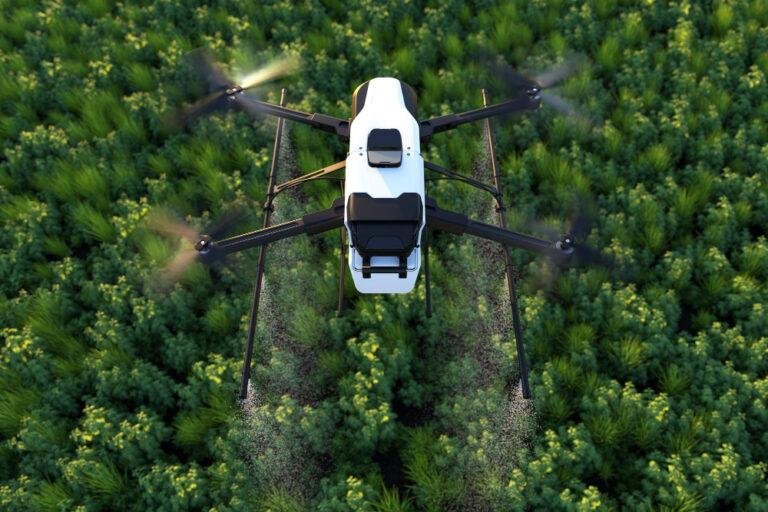
Modern tech gives us some pretty amazing ways to keep tabs on forests and make better decisions about protecting them. Satellites keep an eye on forests from space, and data analysis lets governments and organizations react faster when there’s a threat.
Satellite Monitoring and Drones
Satellites give a bird’s-eye view of forests all over the world. They can spot illegal logging, fires, and other threats just hours after they happen.
This speed means forest rangers and authorities can respond before things get out of hand. Remote sensing technology uses special cameras to pick up changes in forest cover.
These systems can even tell healthy trees from damaged ones. Drones work with satellites to zoom in on trouble spots, flying over and snapping detailed photos and videos.
Rangers use that info to plan their next moves.
Key benefits of aerial monitoring:
- Real-time alerts when deforestation begins
- Wide coverage of remote forest areas
- Cost-effective compared to ground patrols
- Weather monitoring for fire prevention
Satellites and drones together give a full picture of forest health. This tech helps catch illegal activities before they turn into big problems.
Data-Driven Decision Making
Artificial intelligence and machine learning are now digging through massive piles of forest data to guess where deforestation could strike next.
These smart systems pick up on patterns from old incidents, which means they can give early warnings about future trouble spots.
Computer programs chew through satellite images way faster than any human could. They catch changes in forest cover in hours—stuff that might take a person days or even weeks to notice.
This speed really matters when you’re trying to protect forests before it’s too late.
Data analysis also lets governments figure out where to put their conservation energy. No more just guessing—they can look at the numbers and actually know where their money and resources will do the most good.
Data types used for forest protection:
- Satellite images showing tree loss
- Weather patterns and fire risks
- Economic data about logging pressures
- Population growth near forests
Smart tech doesn’t just collect info—it actually helps turn all that raw data into action plans. Forest managers get real, practical advice about where the biggest threats are and what to do about them.
Sustainable Product Innovation
New technologies are opening doors to alternatives for products that damage forests. Lab-grown materials can now take the place of wood in some items.
Plant-based options are also stepping in, reducing how often we chop down trees for things like paper and packaging.
Blockchain technology is making it possible to track wood products all the way from the forest to the store shelf.
This makes it a lot tougher for illegal timber to sneak into the market. If you care about where your stuff comes from, you can actually check that your purchase is from a sustainable source.
Fourth Industrial Revolution technologies are helping develop new, forest-friendly business ideas.
Some companies are figuring out how to make a profit from forests without having to cut them down.
Smart sensors are now scattered throughout forests, picking up data on air quality, wildlife, and the health of plants.
This info helps scientists get a better grip on what forests need to thrive. It’s kind of amazing how much we can learn from just listening to the woods.
Examples of forest-saving innovations:
- Bamboo products instead of hardwood furniture
- Digital receipts reducing paper waste
- Bio-based plastics made from agricultural waste
- Precision forestry tools for selective harvesting
Frequently Asked Questions
You can support reforestation projects, reduce paper and meat consumption, buy FSC-certified products, and donate to groups protecting forests. Even small lifestyle changes add up when many people act.
Apps and satellite-based tools let anyone track deforestation in real time. You can report illegal logging or fires through citizen platforms like Global Forest Watch.
Many companies rely on products linked to deforestation, like palm oil and soy. Consumers can pressure brands by checking supply chain transparency and supporting eco-certified labels.
Not always. Planting non-native or single-species trees can harm ecosystems. True reforestation focuses on native species and restoring natural habitats, not just planting trees anywhere.
When forests disappear, people lose food, medicine, clean water, and jobs tied to forest products. Sustainable tourism and agroforestry can replace destructive practices and keep communities thriving.
Deforestation means the complete clearing of forests. Forest degradation happens when trees are partly removed or damaged—reducing biodiversity and carbon storage without fully clearing the land.
Teaching children and communities about forest value builds lasting environmental responsibility. Awareness programs turn passive observers into active protectors who influence local and national policies.

Sea Otters Keystone Species: The Unexpected Link Shaping Ocean Life
Small, furry creatures floating on their backs—yeah, sea otters look adorable. But don’t let their cuteness fool you. Sea otters have an environmental impact that’s way bigger than you’d guess from their size.These marine mammals shape entire ocean ecosystems just by eating. Their daily routines make them one of nature’s most important species, even if they...